Candace Owens and Erika Kirk Engage in Heated Public Dispute Over Event Withdrawal
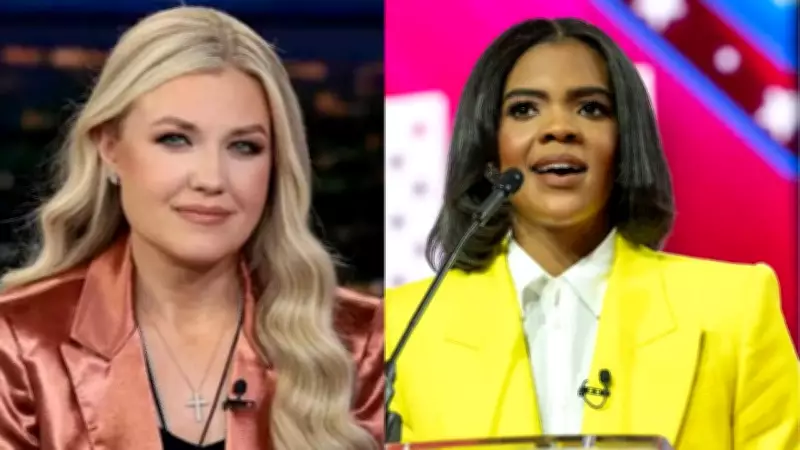
The political landscape has been set ablaze by a rapidly escalating public argument between conservative commentator Candace Owens and Turning Point USA contributor Erika Kirk. What began as a simple event cancellation has transformed into a full-blown controversy, capturing widespread attention across social media platforms and political circles.
The Initial Incident: Kirk's Withdrawal from TPUSA Georgia Event
The controversy originated when Erika Kirk announced her withdrawal from a Turning Point USA event scheduled at the University of Georgia. The gathering was particularly significant as it featured United States Vice President JD Vance as the keynote speaker. TPUSA officials released an official statement explaining that Kirk's decision stemmed from "very serious threats" directed toward her personal safety.
Kirk elaborated on her decision through a post on the social media platform X, writing: "I was so looking forward to tonight's event at the @universityofga with our Vice President @JDVance, but after all our family has been through, I take my security team's recommendations extremely seriously." Her message maintained a composed tone, suggesting a measured response to legitimate security concerns.

Candace Owens' Forceful Rebuttal and Allegations
The situation took a dramatic turn when Candace Owens publicly challenged Kirk's explanation. Owens responded directly on X with a sharply worded rebuttal: "Stop. This is exhausting. You pulled out because of bad ticket sales." She further asserted that similar events had experienced quiet postponements or cancellations, implying a pattern of low attendance issues rather than genuine security threats.
Owens escalated her criticism by questioning the fundamental premise of security concerns. She pointed out: "The Secret Service sits above your security team. Were there actually a viable threat, the Vice President would not have continued the event." This argument suggested that if legitimate threats existed, the event featuring the Vice President would have been canceled entirely, not just Kirk's participation.
Social Media Frenzy and Divided Public Reaction
The exchange between these two prominent conservative voices quickly went viral, sparking intense debate across digital platforms. Public opinion divided sharply along several lines:
- Support for Kirk's Safety Priority: Many users defended Kirk's decision to prioritize personal security, emphasizing that public figures face genuine threats that require serious consideration.
- Agreement with Owens' Skepticism: Others sided with Owens, questioning the timing and validity of the security claims, particularly given the lack of specific threat details.
- Historical Context: Observers noted that tensions between Owens and Kirk are not entirely new, though this incident has brought their disagreements into much sharper public focus.
Unresolved Questions and Official Silence
Several critical questions remain unanswered as the controversy continues to unfold:
- Turning Point USA has maintained its original position regarding security concerns without providing additional details about specific threats.
- No official confirmation has emerged regarding actual ticket sales figures for the Georgia event.
- Neither party has presented conclusive evidence that would definitively settle the core dispute between security concerns versus attendance issues.
This information vacuum has created a significant grey area where competing narratives continue to circulate without resolution. The situation represents a classic "he said, she said" scenario amplified through modern digital media channels.
Broader Implications and Lasting Impact
What began as a disagreement about a single event has evolved into something much larger. This public clash between two influential conservative voices highlights several important dynamics:

- The power of social media to amplify and escalate political disagreements
- The challenges of verifying claims in an era of instant communication
- The intersection of personal security concerns with political event management
- The ongoing tensions within conservative political movements
As the online debate continues to generate engagement and commentary, it's clear this controversy has transcended its original context. The Owens-Kirk dispute now serves as a case study in how political disagreements unfold in the digital age, where allegations can spread globally within hours and responses can shape public perception in real-time.
The ultimate resolution—or continued stalemate—will likely influence how similar situations are handled by political organizations and public figures moving forward. For now, the argument remains active, with both sides maintaining their positions and supporters continuing to debate the merits of each perspective across various online platforms.