Mizo Students Demand Central Government Apology for 1966 Aerial Bombings
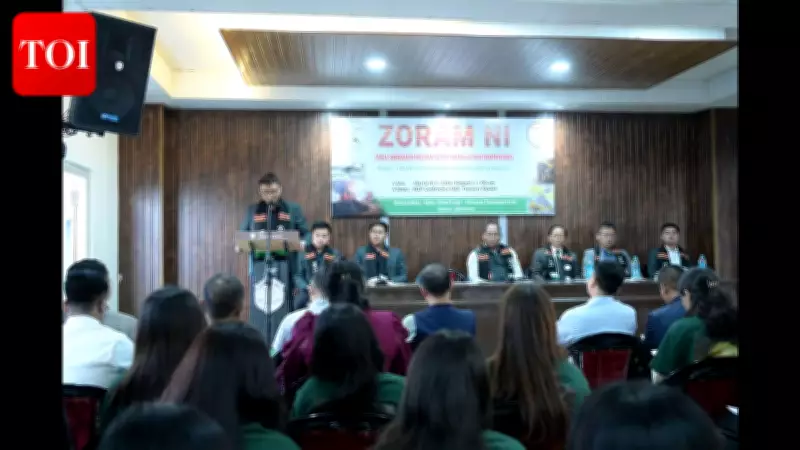
In a significant development, the president of the Mizo Zirlai Pawl (MZP), the apex body of Mizo students, C Lalremruata, has called for a public apology from the central government regarding the aerial bombings of civilians in Mizoram by the Indian Air Force (IAF) on March 5, 1966. This demand was made during a meeting in Aizawl on Thursday, marking the observance of 'Zoram Ni', which commemorates the anniversary of these tragic attacks.
Historical Grievances and Modern Demands
Lalremruata emphasized that the purpose of this observance is not to incite hatred or revive armed insurrection against the Indian government. Instead, he stated, "We expect that the Government of India should acknowledge its mistakes and tender a public apology." This statement underscores a shift towards seeking reconciliation and acknowledgment of past wrongs rather than fostering conflict.
Parliamentary Context and Political Implications
The MZP president highlighted that Prime Minister Narendra Modi referenced the 1966 aerial attacks during a parliamentary debate on a no-confidence motion on August 10, 2023. However, Lalremruata criticized this mention, noting that it failed to address the sufferings of the Mizo people or include an apology. He described the parliamentary discussion as a "political game," suggesting that the issue was used for political maneuvering rather than genuine acknowledgment of historical trauma.

Commemoration and Unity Efforts
Since 2008, 'Zoram Ni' has been observed annually to honor the memories of those who lost their lives during the aerial bombings and to promote unity among the people of Mizoram. Lalremruata described this period as "the darkest days in the history of the Mizos," emphasizing the importance of remembering these events to foster solidarity and resilience within the community.
Educational and Cultural Initiatives
As part of the observance, a talk show was held with the theme, "Protect your nation and the world will not blame you." This event saw participation from college students, aiming to engage the younger generation in discussions about national identity, historical justice, and community protection. Such initiatives reflect ongoing efforts to educate and unite Mizoram's populace around shared historical experiences.
The demand for an apology comes at a time when historical grievances in India's northeastern regions are increasingly being brought to the forefront of public discourse. The MZP's call highlights the enduring impact of past conflicts and the ongoing quest for recognition and reconciliation in Mizoram.