







Politics

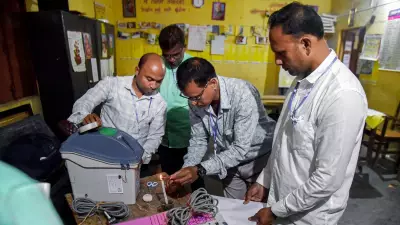
TMC Leader Compares Self to Pushpa After IPS Visit Sparks Row in West Bengal
A senior TMC leader compared himself to Pushpa after a UP-cadre IPS officer visited his house, facing protests. TMC ministers allege the officer overstepped his role ahead of West Bengal Assembly Elections 2026.





World

Putin Praises Iran's Independence Struggle, Vows Full Support
Russian President Vladimir Putin praised Iran's fight for independence against US and Israeli pressure, vowing to do everything to help Tehran achieve peace and stability in the region.



Entertainment

Universal Sets May 2026 Release for Rom-Com 'The Catch' Starring Emma Stone and Chris Pine
Universal Pictures has set a May 21, 2026 release date for the romantic comedy 'The Catch', starring Emma Stone and Chris Pine. Directed by Dave McCary, the film's plot remains under wraps.



Business

Mumbai-Pune Expressway Missing Link to Open on Maharashtra Day
The missing link of the Mumbai-Pune Expressway will be commissioned on Maharashtra Day, May 1, reducing travel time by 20 minutes and enhancing safety.



Sports


Lifestyle





Technology

Lords Mark Joins Elite Nine in HIV Diagnostics
Lords Mark has secured a global milestone in HIV diagnostics, becoming one of only nine companies worldwide with WHO prequalification for HIV rapid tests, enhancing access in low-resource settings.

2026 Hyundai Ioniq 5 Launched in India at Rs 55.70 Lakh
Hyundai Motor India launched the 2026 Ioniq 5 electric SUV at Rs 55.70 lakh, featuring a larger 84kWh battery, updated styling, and enhanced tech. Deliveries start soon.
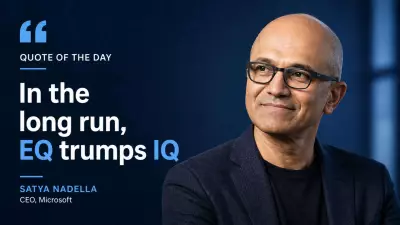
Satya Nadella: Why EQ Trumps IQ for Leadership Success
Satya Nadella explains why emotional intelligence is more important than IQ for leaders, sharing how he transformed Microsoft through empathy and energy creation.
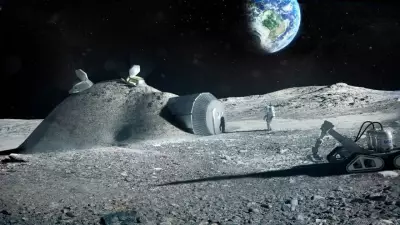
Moon Living Could Begin by 2030: Expert Predicts
Dylan Taylor predicts humans could live and work on the Moon by the end of this decade, with inflatable habitats and NASA's Artemis program paving the way.

NYT Connections April 28 #1052: Hints, Answers, Strategies
Get hints, answers, and strategies for the NYT Connections puzzle on April 28, 2026 (#1052). Learn how to play and solve the game with our guide.
