

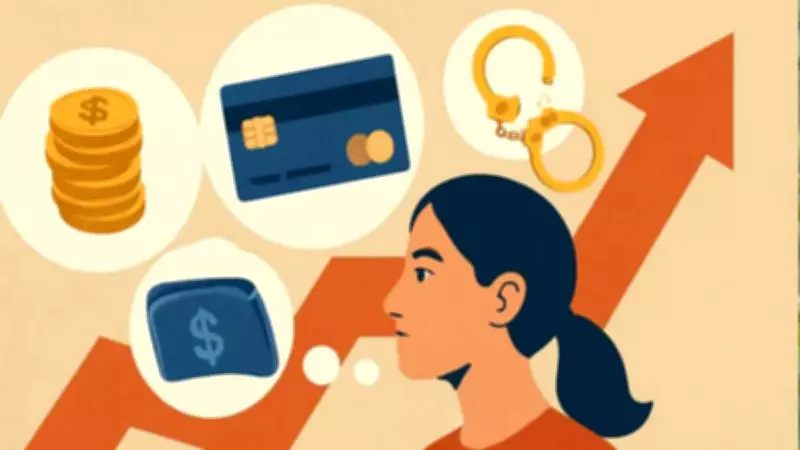
Understanding the psychology of borrowing is crucial for maintaining financial health. Smart consumers use credit as a tool, not a trap. This article delves into the mindset that leads to wise borrowing and how to avoid common pitfalls.
The Mindset of Smart Borrowers
Smart borrowers view credit as a strategic resource. They borrow for assets that appreciate or generate income, such as education or a home, rather than for depreciating items. This mindset is rooted in delayed gratification and long-term planning.
Emotional Triggers in Borrowing
Many people fall into debt due to emotional spending. Stress, social pressure, and instant gratification can lead to impulsive borrowing. Recognizing these triggers is the first step to avoiding them.

- Stress: Shopping as a coping mechanism can lead to credit card debt.
- Social Comparison: Keeping up with others often results in overspending.
- Instant Gratification: The desire for immediate rewards can override long-term goals.
Strategies for Smart Credit Use
To use credit wisely, consumers should:
- Budget: Track income and expenses to know how much can be repaid.
- Emergency Fund: Save 3-6 months of expenses to avoid borrowing for emergencies.
- Compare Rates: Shop for the best interest rates and terms.
- Pay on Time: Avoid late fees and credit score damage.
- Limit Credit Utilization: Keep balances below 30% of the credit limit.
Understanding Debt Traps
Debt traps often start with small loans or high-interest credit cards. Minimum payments can extend debt for years. Smart consumers avoid payday loans and credit card cash advances due to exorbitant fees.
The Role of Financial Education
Financial literacy is key. Understanding interest rates, compound interest, and credit scores helps consumers make informed decisions. Many resources are available online, including free courses and budgeting apps.
Psychological Biases to Watch For
Behavioral economics reveals biases that affect borrowing:
- Optimism Bias: Overestimating future income can lead to overborrowing.
- Anchoring: Focusing on monthly payments rather than total cost.
- Framing: How a loan is presented influences decisions.
Conclusion
Smart borrowing is about discipline, planning, and education. By understanding the psychology behind financial decisions, consumers can use credit to their advantage while avoiding the stress of debt. Remember, credit is a tool—use it wisely.






