Gujarat's Republic Day Tableau Chronicles Evolution of Indian National Flag
The 77th Republic Day parade at Kartavya Path featured a remarkable tableau from Gujarat that presented a detailed chronological account of the evolution of the Indian National Flag. This presentation aligned perfectly with the official theme, "Swatantrata Ka Mantra: Vande Mataram," and coincided with the 150th anniversary of the patriotic song Vande Mataram.
Historical Journey of the Tricolour
The tableau meticulously traced the development of the National Flag through several key historical phases:
- 1906: The display began with the flag bearing Vande Mataram that was hoisted during Swadeshi protests in Kolkata.
- 1907: A sculptural depiction showed Bhikhaiji Cama holding the flag she unfurled in Paris, an event widely recognized as an early assertion of Indian nationalism on foreign soil.
- 1917: The tableau featured the Home Rule Movement flag associated with Annie Besant and Bal Gangadhar Tilak.
- 1921: This panel depicted Pingali Venkayya presenting his flag design to Mahatma Gandhi at Vijayawada.
- 1931: A modified version featuring the charkha and three colours was showcased.
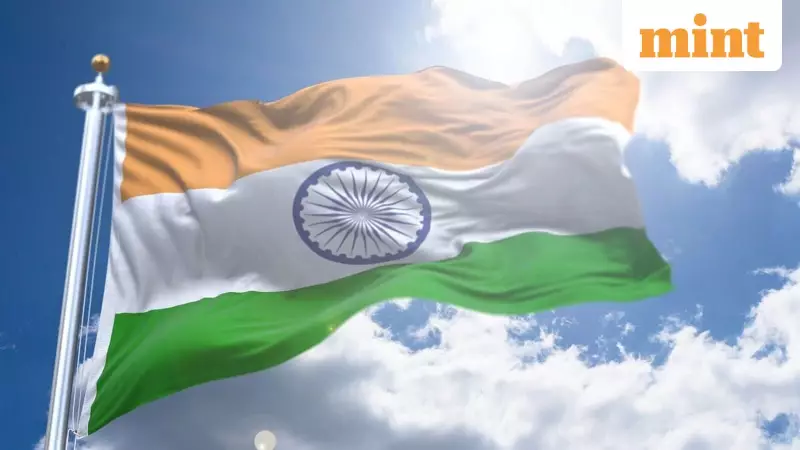
- 1947: The narrative concluded with the Constituent Assembly's adoption of the present Tricolour with the Ashoka Chakra on July 22, 1947.
Bhikhaiji Cama's Prominent Role
The tableau foregrounded the significant contribution of Bhikhaiji Cama, a freedom fighter born in Navsari, Gujarat. She is historically associated with an early version of the Indian flag bearing the inscription Vande Mataram. The phrase Vande Mataram appeared on the tableau in several Indian languages recognized under the Constitution, emphasizing its national importance.

Cultural and Symbolic Elements
The final segment of the tableau featured a sculpture of Mahatma Gandhi, the charkha, and a large Ashoka Chakra, effectively linking the Swadeshi movement with broader ideas of self-reliance. Cultural performers accompanied the tableau with a presentation set to Kasumbi No Rang, a composition by renowned Gujarati poet Jhaverchand Meghani.
Organizational Details
The tableau was presented by the Information Department of the Government of Gujarat. Key officials involved in this exercise included:
- Information and Broadcasting Secretary Vikrant Pandey
- Information Commissioner Kishor Bachani
- Additional Director Arvind Patel
- Joint Director Sanjay Kachot
- Deputy Director Bhavna Vasava
Broader Parade Highlights
This year's Republic Day parade included 30 tableaux—17 from states and Union Territories and 13 from Union government departments. Approximately 2,500 artists participated in cultural performances, while around 10,000 guests from across the country attended the ceremony.
Proceedings began with a wreath-laying ceremony at the National War Memorial, followed by the arrival of the President at the saluting dais, the national anthem, and a 21-gun salute. The event was attended by European Commission President Ursula von der Leyen and European Council President Antonio Costa as chief guests, reflecting India's current diplomatic engagements with the European Union.
Notable Parade Features
A new feature of this year's parade was the participation of animals referred to by the armed forces as "Silent Warriors." These included:
- Mongolian Bactrian camels
- Mules deployed in high-altitude regions such as the Siachen Glacier
- Birds of prey
- Military dog squads
Among the marching contingents, the Central Reserve Police Force (CRPF) men's contingent was led by Assistant Commandant Simran Bala, a graduate of the Government Women's College in Gandhinagar who joined the CRPF after clearing the Assistant Commandant examination. The parade also saw the participation of a European Union contingent, while the Indian Army showcased its Battle Array format, combining traditional marching columns with service equipment displays.