Government Affirms: Martyrdom Transcends Official Documentation
In a significant statement, the government has clarified that the recognition of martyrdom does not hinge on the presumed presence or absence of official records. This declaration underscores a broader principle that honors sacrifice based on historical and societal acknowledgment rather than bureaucratic paperwork.
Bandi Sanjay Kumar Pays Tribute to Freedom Fighters
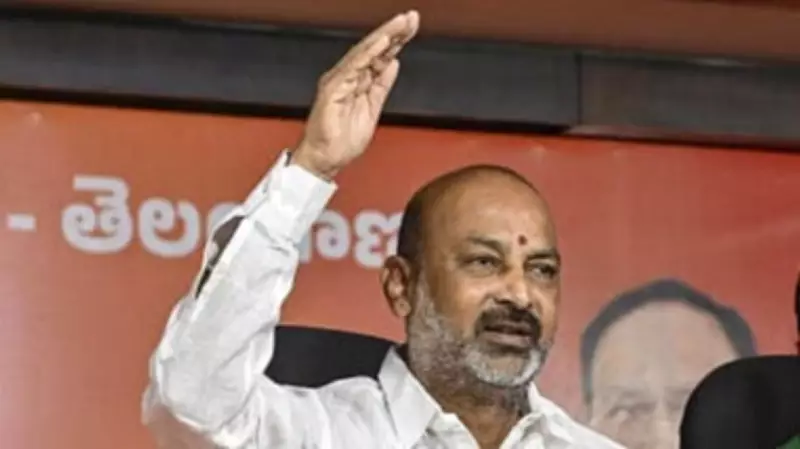
Union Minister Bandi Sanjay Kumar emphasized this point while paying homage to iconic revolutionaries Bhagat Singh, Sukhdev, and Rajguru. He stated that the nation will forever remain indebted to these heroes who selflessly laid down their lives for India's brighter future. Kumar's remarks highlight a commitment to preserving the legacy of those who fought for independence, irrespective of formal documentation challenges.
Key Aspects of the Government's Position:

- Martyrdom is recognized through collective memory and historical significance, not solely by official archives.
- This approach ensures that sacrifices made during the freedom struggle are honored without being undermined by gaps in record-keeping.
- It reinforces the emotional and cultural importance of martyrs in shaping national identity.
Context and Implications
The statement comes amid ongoing discussions about how historical figures are memorialized in India. By distancing martyrdom from bureaucratic criteria, the government aims to foster a more inclusive recognition of contributions to the nation's freedom. This perspective is particularly relevant for figures like Bhagat Singh, whose actions and legacy have been widely celebrated despite complexities in official historical records.
Historical records from the colonial era often lack completeness, making this clarification crucial for acknowledging unsung heroes. Kumar's tribute serves as a reminder that the spirit of sacrifice transcends mere documentation, resonating deeply with public sentiment and educational narratives.
As India continues to reflect on its past, this stance encourages a holistic appreciation of martyrdom, focusing on the impact of individuals' actions rather than procedural formalities. It aligns with efforts to strengthen national pride and historical consciousness among citizens.