Former Nepal Prime Minister Hospitalized Following Arrest in Protest Deaths Investigation
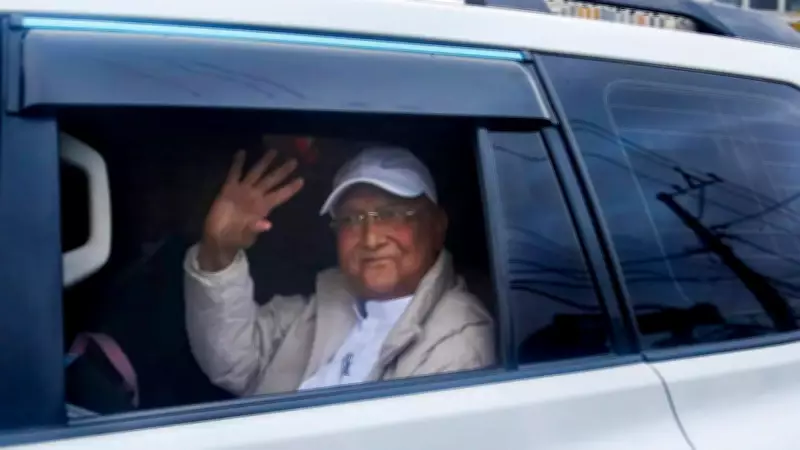
Former Nepal Prime Minister KP Sharma Oli has been admitted to a hospital in Kathmandu, just one day after authorities took him into custody in connection with a serious culpable homicide case. This case is directly linked to the alleged violent suppression of the youth-led Gen Z protests that rocked the country in September.
Medical Condition and Hospital Admission
According to an official statement from the TU Teaching Hospital, Oli was admitted on the Nepali date 2082-12-14 after complaining of palpitations. The hospital detailed his complex medical history, noting he is a post-renal transplant patient with multiple chronic conditions.
"He is a post-renal transplant patient with hydronephrosis, diabetes mellitus, hypertension, hypothyroidism, atrial fibrillation with APC (on treatment), and cholelithiasis," the statement read. "Currently, he is under observation and monitoring in bed no. 501 of Annex 1 and is being managed by our medical team."

Arrest and Commission Recommendations
The arrest occurred on Saturday when Oli was taken from his residence in Gundu, Bhaktapur. This action followed a formal complaint filed by Nepal's home ministry, which triggered an investigation and the subsequent issuance of arrest warrants.
Authorities stated the arrest was made to implement the recommendations of a high-level commission led by former Special Court judge Gauri Bahadur Karki. This commission was established to investigate the government's response to the September protests.
The commission's report attributed the deadly crackdown to criminal negligence and recklessness, citing a failure by officials to act on prior intelligence warnings about potential escalation. The violent suppression resulted in 77 fatalities and caused billions in property damage across Nepal.
In addition to Oli, the commission suggested legal action against several other senior officials, including:
- Then home secretary Gokarna Mani Dawadi
- Armed Police Force chief Raju Aryal
- Former National Investigation Department head Hutaraj Thapa
- Then Kathmandu chief district officer Chhabi Rijal
Political Context and New Leadership
These dramatic developments come amidst a significant political transition in Nepal. The arrests occurred merely a day after Balendra Shah was sworn in as the country's new Prime Minister.
The 35-year-old leader, who heads the Rastriya Swatantra Party, assumed office under Article 76(1) of the Constitution. His party emerged as the largest political force in the March 5 parliamentary elections, marking a shift in Nepal's political landscape.
Shah's swearing-in ceremony was conducted at the President's Office in Sheetal Niwas and was administered by President Ramchandra Paudel. Notably, Shah has become Nepal's youngest Prime Minister and the first from the Madheshi community to hold this highest office.
He has risen to political prominence through his strong stance against the federal establishment and his focused agenda on comprehensive governance reforms. This context adds layers of significance to the legal actions being taken against figures from the previous administration.
The hospitalization of a former prime minister following his arrest underscores the serious nature of the allegations and the ongoing judicial process regarding the protest deaths. Medical authorities continue to monitor Oli's condition as legal proceedings develop.