Former Nepal Prime Minister and Ex-Home Minister Arrested in Homicide Case
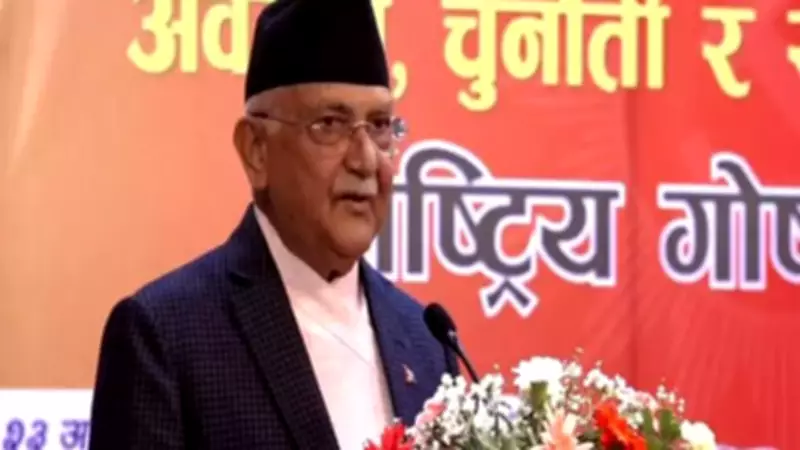
In a significant development, former Nepal Prime Minister KP Sharma Oli and former home minister Ramesh Lekhak were arrested on Saturday in connection with a culpable homicide case. The case is directly linked to the alleged violent suppression of the September Gen Z protests, according to official police statements.
Details of the Arrests and Security Measures
KP Sharma Oli was taken into custody from his private residence located in Gundu, Bhaktapur. Meanwhile, Ramesh Lekhak was arrested earlier in the morning, around 5 am, from Suryabinayak in Bhaktapur, as confirmed by his personal secretary. The arrests were executed following a formal complaint filed by the home ministry, which initiated a thorough investigation and led to the issuance of official arrest warrants.
Security across the Kathmandu Valley was significantly tightened during the operation. Teams from the Bhaktapur District Police Range and the Kathmandu Valley Police Office were strategically deployed to ensure order. Senior government officials, including Home Secretary Raj Kumar Shrestha and Law Secretary Parashwor Dhungana, held extensive consultations with police officials prior to the arrests. Additionally, Home Minister Sudhan Gurung chaired late-night discussions with security chiefs on Friday to coordinate the operation.

Commission Recommendations and Legal Implications
The arrests were carried out to implement the recommendations of a high-level commission led by former Special Court judge Gauri Bahadur Karki, as reported by the Kathmandu Post. The commission's report has recommended that Oli, Lekhak, and then Inspector General of Police Chandra Kuber Khapung be charged under Sections 181 and 182 of Nepal's National Penal Code for criminal negligence. This charge carries a potential prison sentence of up to 10 years upon conviction.
The commission attributed the violent crackdown on the youth-led protests to criminal negligence and recklessness, citing a failure to act on prior intelligence warnings about possible escalation. The protests resulted in the tragic deaths of 77 individuals and caused property damage worth billions of rupees.
Additional Officials Facing Legal Action
Beyond the primary arrests, the commission's report suggested legal action against several other senior officials. These include then home secretary Gokarna Mani Dawadi, Armed Police Force chief Raju Aryal, former National Investigation Department head Hutaraj Thapa, and then Kathmandu chief district officer Chhabi Rijal. The report further recommended that other officials found responsible be dealt with under the relevant laws governing their respective institutions.
In addition, the report proposed formal reprimands for senior police officials, including current Inspector General Dan Bahadur Karki and Armed Police Force official Narayan Dutta Poudel. Legal experts have noted that such reprimands could adversely affect their future promotion prospects within the security forces.
Political Context: New Prime Minister's Appointment
The arrests occurred just one day after Balendra Shah was sworn in as Nepal's new Prime Minister. The 35-year-old leader, who heads the Rastriya Swatantra Party, assumed office under Article 76(1) of the Constitution. His party emerged as the largest in the March 5 parliamentary elections. The swearing-in ceremony was held at the President's Office in Sheetal Niwas and was administered by President Ramchandra Paudel.
Balendra Shah is now the youngest Prime Minister in Nepal's history and the first from the Madheshi community to hold this prestigious position. He has gained prominence through his strong stance against the federal establishment and his focused agenda on governance reforms. Following his appointment, Indian Prime Minister Narendra Modi extended congratulations and expressed hope for enhanced India-Nepal cooperation in the coming years.