

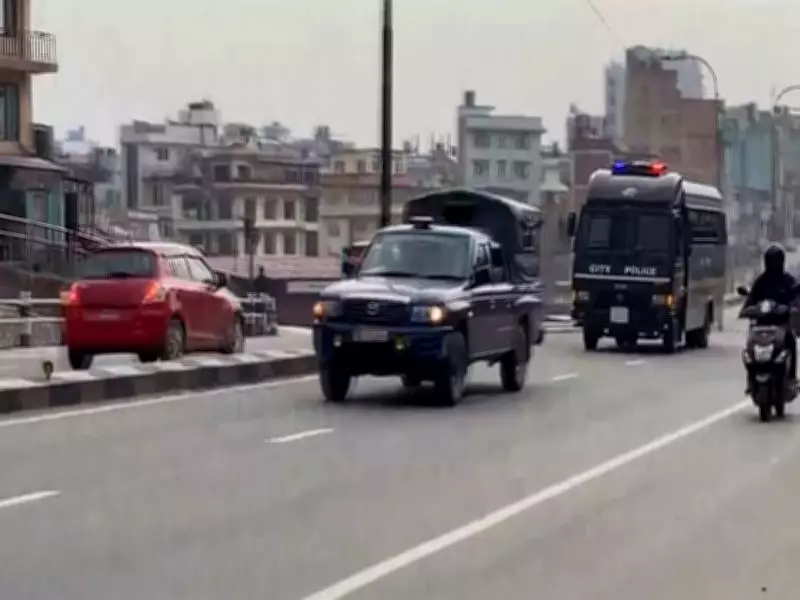
Former Nepal Prime Minister KP Sharma Oli Arrested in GenZ Protest Case
In a major political development, former Nepal Prime Minister KP Sharma Oli has been arrested in connection with a case related to the suppression of GenZ-led protests. The arrest has sent shockwaves through the political landscape of Nepal, highlighting ongoing tensions and legal actions against high-profile figures.
Details of the Arrest and Case Background
The arrest stems from allegations that Oli was involved in efforts to crack down on protests led by the GenZ demographic during his tenure. Authorities have linked him to actions aimed at suppressing these demonstrations, which were part of broader social and political movements in the country.
Key facts about the case include:

- Oli was taken into custody by law enforcement agencies following an investigation into the protest suppression.
- The case focuses on incidents where GenZ activists faced restrictions and alleged human rights violations during protests.
- This arrest is part of a larger legal process targeting individuals accused of undermining democratic freedoms in Nepal.
Political Implications and Reactions
The arrest of KP Sharma Oli, a prominent political leader, is expected to have significant repercussions for Nepal's political dynamics. As a former prime minister, his detention could influence upcoming elections and party strategies, potentially reshaping alliances and public perception.
Observers note that this move may signal a crackdown on political figures associated with past administrations, amid calls for accountability and transparency in governance.
Reactions from various stakeholders have been mixed, with some praising the arrest as a step towards justice, while others view it as politically motivated. The case underscores the challenges in balancing law enforcement with political stability in Nepal.
Broader Context of GenZ Protests in Nepal
GenZ-led protests in Nepal have been a focal point of social activism, addressing issues such as governance, corruption, and youth rights. These movements have gained momentum in recent years, often clashing with authorities and leading to legal battles.
The suppression of these protests has been a contentious topic, with allegations of excessive force and violations of civil liberties. Oli's arrest brings renewed attention to these events, emphasizing the ongoing struggle for democratic rights in the region.
As the legal proceedings unfold, this case is likely to remain in the spotlight, influencing both domestic politics and international perceptions of Nepal's commitment to human rights and rule of law.






