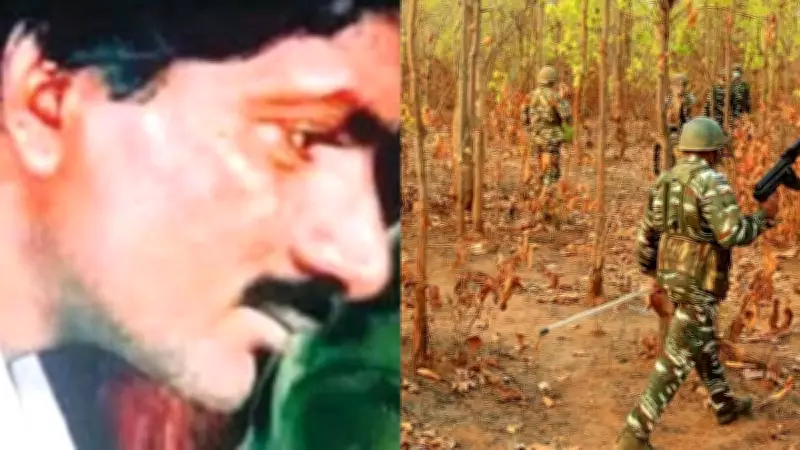
Surrendered Maoist Leader Devuji Calls for Lifting Ban on CPI (Maoist)
In a notable development, surrendered Maoist leader Devuji has publicly urged authorities to lift the ban on the Communist Party of India (Maoist). This appeal marks a significant shift in his stance since leaving the militant group, highlighting ongoing debates around political dissent and extremism in India.
Demand for Release of Jailed Sympathisers
Devuji also demanded the immediate release of Maoist sympathisers who are currently imprisoned across the country. He specifically referenced individuals labeled as 'urban naxals' or others, arguing that they should be recognised as "political prisoners" rather than criminals. This demand underscores broader concerns about civil liberties and the treatment of activists in the legal system.
The call for releasing these prisoners is framed as a step towards addressing what Devuji views as political persecution. By advocating for their status as political prisoners, he aims to highlight the ideological motivations behind their actions, rather than categorising them under conventional criminal charges.

Context and Implications
This statement comes amid ongoing tensions in regions like Telangana, where Maoist activities have historically been prevalent. The CPI (Maoist) has been banned in India since 2009 under the Unlawful Activities (Prevention) Act, with authorities citing its involvement in violence and insurgency. Devuji's appeal challenges this designation, suggesting a reevaluation of the group's political nature.
Experts note that such demands could reignite discussions on counter-insurgency policies and human rights. The recognition of political prisoner status could potentially alter legal proceedings and sentencing for those accused of Maoist sympathies, impacting cases nationwide.
Public and Official Reactions
While Devuji's statements have garnered attention from human rights groups, official responses remain cautious. Authorities have historically maintained that the ban on CPI (Maoist) is necessary for national security, given the group's history of armed conflict. However, this appeal adds to a growing dialogue about reconciliation and political engagement with former insurgents.
The demand for releasing jailed sympathisers also touches on broader issues of freedom of expression and association in India. As debates continue, this development could influence future policies regarding extremist groups and their supporters.