Aam Aadmi Party Grapples with Escalating Leadership Exodus
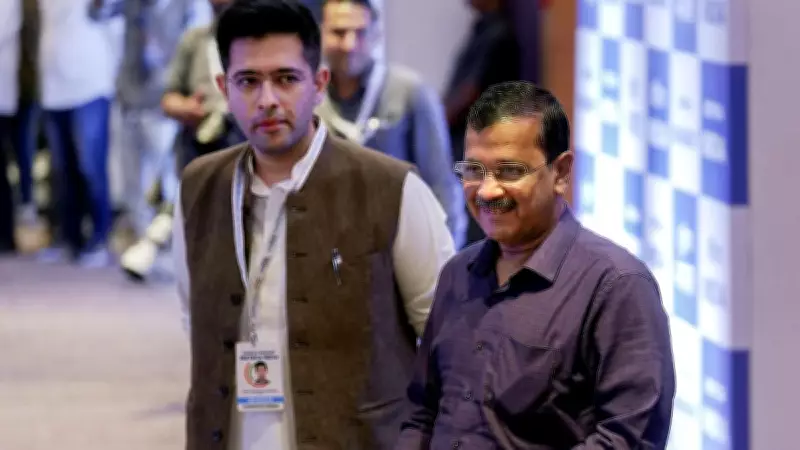
The political landscape of India witnessed another significant tremor as senior Aam Aadmi Party (AAP) leader Raghav Chadha signaled his imminent exit from the party. This development marks a critical juncture for the relatively young political outfit, which has been grappling with a persistent pattern of high-profile departures that threaten to undermine its organizational stability and public image.
Deepening Crisis Within AAP Ranks
While political defections and internal sidelining are commonplace across party lines, the frequency and scale of senior leaders abandoning the Aam Aadmi Party has reached alarming proportions. What began as isolated incidents has transformed into a troubling trend that exposes fundamental fissures within the party's leadership structure and ideological framework.
The departure of Raghav Chadha represents more than just another resignation—it signifies the erosion of trust among key architects who helped build the party from its inception. As a prominent face and influential strategist, Chadha's exit sends shockwaves through AAP's support base and raises serious questions about the party's future direction.

Multiple Factors Driving the Exodus
Ideological Divergence: Several departing leaders have cited fundamental disagreements with the party's evolving political stance and policy directions. What began as a movement centered on anti-corruption and transparent governance has, according to some former members, strayed from its original principles.
Leadership Style Concerns: Arvind Kejriwal's centralized decision-making approach and management style have become a recurring point of contention. Many senior figures who have left the party expressed frustration with what they perceive as an autocratic leadership model that marginalizes dissenting voices and collective decision-making processes.
Unfulfilled Political Ambitions: The Aam Aadmi Party's rapid expansion and electoral successes have created expectations among its leadership cadre that have not always been met. Several prominent members have departed when their aspirations for greater responsibility, recognition, or electoral opportunities remained unsatisfied within the party's structure.
Impact on AAP's Political Trajectory
The cumulative effect of these departures extends beyond mere personnel changes. Each exit:
- Depletes the party's reservoir of experienced leadership
- Undermines voter confidence in AAP's internal cohesion
- Raises questions about succession planning and next-generation leadership
- Weakens the party's organizational capacity across multiple states
- Provides ammunition to political opponents questioning AAP's stability
As the Aam Aadmi Party approaches crucial electoral cycles, this leadership crisis threatens to derail its carefully crafted narrative of being a fresh alternative to established political parties. The departure of figures like Raghav Chadha—who played instrumental roles in shaping the party's communication strategy and public outreach—creates significant voids in critical functional areas.
Broader Implications for Indian Politics
This ongoing exodus from AAP reflects larger patterns in India's political ecosystem where new parties struggle to institutionalize beyond their founding leadership. The challenge of transitioning from a protest movement to a sustainable political organization has proven particularly difficult for the Aam Aadmi Party, despite its initial successes in Delhi and Punjab.
The coming months will prove decisive in determining whether AAP can stem this tide of departures, address the underlying grievances driving them, and present a united front to voters. With Raghav Chadha's exit signaling potentially more defections to follow, Arvind Kejriwal faces one of the most severe leadership tests since the party's formation.
The political ramifications extend beyond AAP's internal dynamics, potentially reshaping opposition alliances and altering power equations in several states where the party has established significant presence.