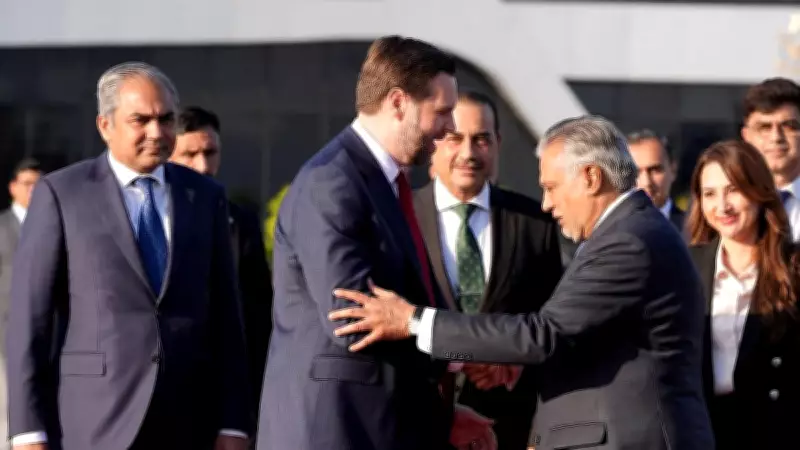
US-Iran Nuclear Negotiations Reach Critical Impasse in Islamabad
After an exhaustive 21-hour marathon session, peace talks between the United States and the Islamic Republic of Iran have officially broken down in the Pakistani capital of Islamabad. The high-stakes diplomatic effort, aimed at addressing longstanding nuclear concerns, concluded without a breakthrough, plunging bilateral relations into renewed uncertainty.
Senior US Official Outlines Non-Negotiable Demands
A senior American diplomat, speaking on condition of anonymity, provided a stark assessment of the deadlock. "But the simple fact is that we need to see an affirmative commitment that they will not seek a nuclear weapon and that they will not seek the tools that would enable them to quickly achieve a nuclear weapon," he stated emphatically. This declaration underscores the core US demand for verifiable and unambiguous assurances from Tehran regarding its nuclear intentions and capabilities.
Detailed Breakdown of the Negotiation Stalemate
The talks, which were held under intense international scrutiny, reportedly faltered over several key issues:

- Verification Mechanisms: Disagreements persisted on the scope and intrusiveness of international inspections required to monitor Iran's nuclear facilities.
- Sanctions Relief Timeline: The sequencing and pace of potential sanctions removal in exchange for Iranian concessions proved to be a major sticking point.
- Regional Security Guarantees: Discussions on broader security arrangements and confidence-building measures in the Middle East remained inconclusive.
The impasse represents a significant setback for diplomatic efforts to de-escalate tensions that have simmered for years. Islamabad, serving as a neutral venue, had hoped to facilitate a productive dialogue, but the fundamental differences between the two nations proved insurmountable during this round.
Global Implications and Future Prospects
This collapse carries profound implications for global non-proliferation efforts and regional stability. Analysts suggest that the failure to secure an agreement may lead to an escalation in rhetoric and potentially more confrontational postures from both Washington and Tehran. The international community, including key stakeholders like the European Union, Russia, and China, is now closely monitoring the situation for signs of next steps.
While no immediate date has been set for resuming negotiations, diplomatic channels are expected to remain open at lower levels. However, the prospect of a swift resolution appears dim, as both sides have entrenched their positions on the fundamental issue of nuclear weaponization. The path forward remains fraught with challenges, requiring a renewed commitment to dialogue and compromise from all parties involved.