Congress Leader Mallikarjun Kharge Seeks Clarity on Women's Reservation Bill
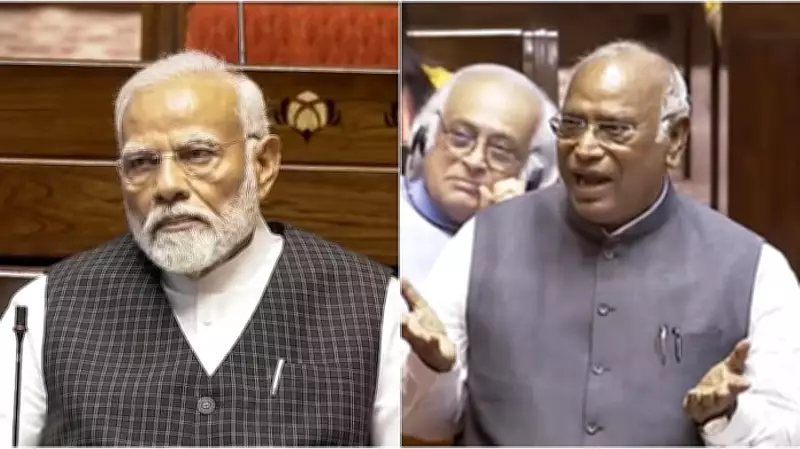
In a significant political development, Congress President Mallikarjun Kharge has formally requested detailed information regarding the women's quota bill from the government. He has also urged Prime Minister Narendra Modi to organize an all-party meeting after April 29 to discuss critical issues related to the legislation.
Demand for All-Party Consultation on Delimitation
Kharge reiterated the Congress party's longstanding demand for a comprehensive all-party consultation to address the delimitation process, which is intrinsically linked to the implementation of the 33 per cent reservation law for women in legislative bodies. The delimitation issue involves the redrawing of electoral constituencies, a factor that could significantly impact the effective rollout of the quota.
The call for this meeting comes amid ongoing debates about the practical steps needed to enact the women's reservation amendment. Kharge emphasized that such a discussion is essential to ensure transparency and bipartisan support for the bill, which aims to enhance female representation in politics.

Timeline and Political Implications
By specifying a post-April 29 timeline, Kharge has set a clear deadline for the government to engage with opposition parties. This move is seen as an effort to hold the ruling administration accountable and push for actionable progress on the women's quota issue.
The women's reservation bill, which proposes a 33 per cent quota for women in the Lok Sabha and state assemblies, has been a contentious topic in Indian politics for years. Its implementation hinges on the completion of the delimitation exercise, making Kharge's demand for an all-party meeting particularly pertinent.
Key points highlighted by Kharge include:
- The need for detailed government data on the current status of the women's quota bill.
- Urgency in addressing delimitation challenges that could delay the reservation's enforcement.
- Importance of inclusive political dialogue to build consensus across party lines.
This development underscores the ongoing political tensions and the critical role of cross-party cooperation in advancing legislative reforms for gender equality in India.