Transgender Rights Bill 2026 Faces Backlash Over Lack of Consultation
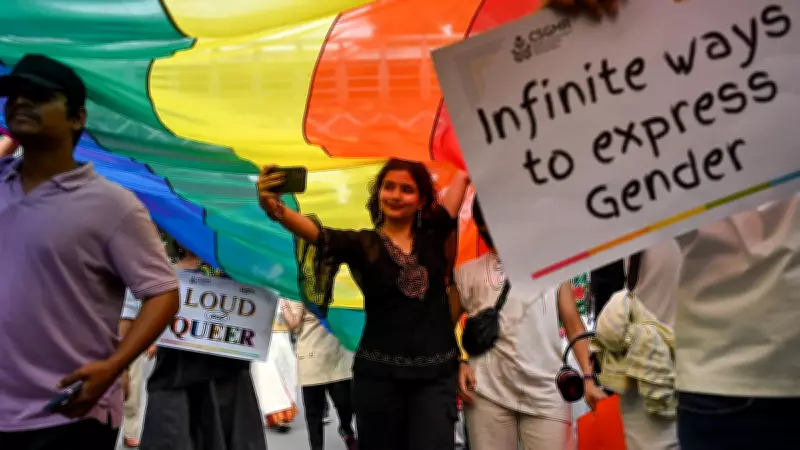
The proposed Transgender Rights Bill of 2026 has ignited a heated debate in India, with critics questioning whether it represents a genuine step toward gender freedom or an attempt to impose legal control. According to recent reports, the bill was developed without any formal consultation with two crucial institutional bodies deeply involved in transgender rights advocacy: the National Council for Transgender Persons (NCTP) and a dedicated Supreme Court committee.
Key Concerns Raised by Experts
Legal expert Arvind Narrain has highlighted the significant oversight in the bill's drafting process. The absence of input from the NCTP and the Supreme Court committee raises serious doubts about the bill's alignment with established rights frameworks and the needs of the transgender community. This lack of consultation is seen as undermining the bill's credibility and effectiveness in addressing real-world issues faced by LGBTQ individuals in India.
Published on March 28, 2026, at 20:33 IST, the bill's introduction has prompted widespread discussion among activists, lawmakers, and the public. Many are calling for a more inclusive approach that incorporates diverse perspectives to ensure the legislation truly serves its intended purpose of protecting and empowering transgender people.

Implications for Gender Rights in India
The controversy surrounding the 2026 Bill touches on broader themes of autonomy versus regulation. Is this legislation a tool for liberation or a mechanism for control? Critics argue that bypassing key stakeholders like the NCTP and Supreme Court committee could lead to provisions that are out of touch with the community's realities, potentially exacerbating existing challenges rather than resolving them.
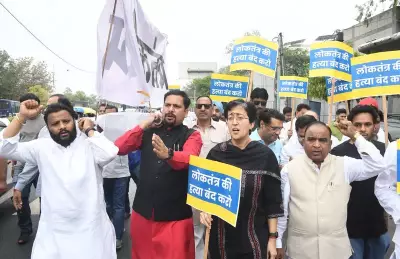
As the Lok Sabha prepares to debate the bill, stakeholders are urging policymakers to reconsider the drafting process. Engaging with institutional bodies and community representatives is essential to crafting a law that balances legal safeguards with the freedom to choose one's gender identity, ensuring it reflects India's commitment to equality and human rights.