R Ashoka Slams Karnataka Government Over Third Language Grading in SSLC
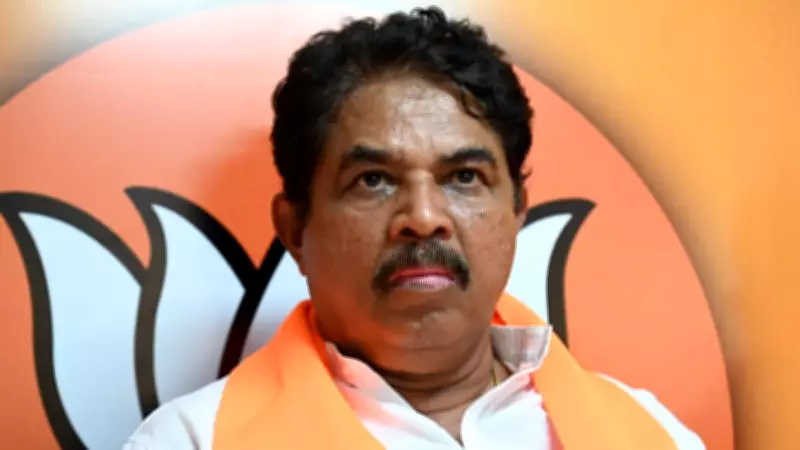
Former Karnataka Deputy Chief Minister and senior BJP leader R Ashoka has launched a sharp critique against the state government's recent decision to introduce a grading system for the third language subject in the Secondary School Leaving Certificate (SSLC) examinations. This policy change, implemented by the Congress-led administration, has sparked significant controversy in educational circles across Karnataka.
Controversial Policy Implementation
The Karnataka government officially rolled out the new grading framework for the third language component within the SSLC curriculum earlier this week. Under this revised system, students will no longer receive traditional numerical marks for their third language performance. Instead, their achievements will be categorized into distinct letter grades such as A, B, C, or D. This shift represents a fundamental alteration in how academic proficiency is measured and reported for this critical subject area.
Proponents of the grading system argue that it reduces excessive pressure on young learners and promotes a more holistic educational approach. However, critics contend that this methodology could potentially obscure genuine academic performance levels and create ambiguities in student evaluation processes.

Ashoka's Forceful Opposition
R Ashoka, a prominent opposition figure and former education minister, has emerged as the most vocal opponent of this policy transformation. He has characterized the grading system as "a misguided experiment that jeopardizes students' academic trajectories" and "an irresponsible dilution of educational standards." Ashoka emphasized that the third language holds substantial importance within the SSLC framework, serving as a crucial component for higher education admissions and competitive examinations.
"This arbitrary grading system undermines the objective assessment of language proficiency," Ashoka stated during a press conference in Bengaluru. "Students who diligently master Kannada, Hindi, Sanskrit, or other third languages deserve precise evaluation, not vague categorizations that could disadvantage them in future academic pursuits."
Potential Academic Consequences
The former deputy chief minister outlined several specific concerns regarding the policy's implementation:
- Reduced Competitive Edge: Ashoka warned that Karnataka students might face disadvantages when competing with peers from other states where traditional marking systems remain in place for language subjects.
- Higher Education Implications: He expressed apprehension that universities and colleges could struggle to accurately interpret grading-based language proficiency when making admissions decisions.
- Skill Dilution Concerns: The BJP leader argued that the grading approach might inadvertently de-emphasize the rigorous language acquisition necessary for academic and professional success.
- Implementation Timing: Ashoka questioned the timing of this policy shift, suggesting that major educational reforms require more extensive consultation with stakeholders including teachers, parents, and academic experts.
Broader Educational Context
This controversy unfolds against the backdrop of ongoing debates about educational reform in Karnataka. The SSLC examination serves as a critical milestone for approximately 800,000 students annually, with performance in language subjects significantly influencing their future academic pathways. The third language component typically includes options such as Kannada, Hindi, Sanskrit, Urdu, or other modern Indian languages, depending on the student's linguistic background and institutional offerings.
Educational experts remain divided on the grading versus marking debate. Some specialists advocate for grading systems as progressive tools that reduce examination stress and encourage broader learning. Others maintain that precise numerical assessment provides clearer benchmarks for student achievement and institutional accountability.

Political Dimensions and Future Implications
The issue has rapidly assumed political dimensions, with opposition parties leveraging it to critique the state government's educational policies. R Ashoka's forceful intervention signals potential escalation of this debate in the coming legislative sessions. As Karnataka prepares for another academic year, the implementation and reception of this grading system will likely remain a contentious topic among educators, parents, and policymakers across the state.
The state education department has yet to issue an official response to Ashoka's criticisms. However, sources within the department indicate that the grading system was developed after consultation with educational psychologists and curriculum experts who recommended this approach as more developmentally appropriate for adolescent learners.