SC Sabarimala Hearing: TDB Questions Judicial Scrutiny of Religious Practices Like Naked Sadhus
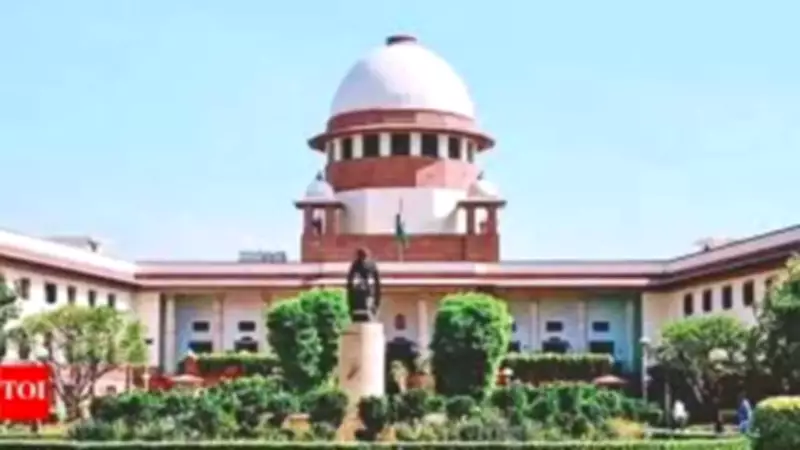
In a significant development during the ongoing Sabarimala reference hearing, the Travancore Devaswom Board (TDB) on Wednesday posed a challenging question to a nine-judge bench of the Supreme Court. The board, represented by senior advocate A M Singhvi, asked whether courts can ban the public appearance of naked sadhus from Jainism's Digambar sect, despite constitutional provisions that subject every religious denomination to 'public order, health and morality'.
Constitutional Limits and Religious Practices
This query came in response to persistent questions from the nine-judge bench, headed by Chief Justice Surya Kant. The bench had been probing why courts cannot test whether a custom or tenet qualifies as an essential religious practice, thus making it immune from judicial scrutiny. The justices also questioned whether such judicial tests should be confined strictly to the constitutional parameters outlined in Article 25, which include 'public order, health and morality'.
Singhvi argued that even extreme examples, such as public nudity, do not necessarily fall under judicial scrutiny if they are integral to a religion. He stated, "There is no doubt that nudity is abhorrent to normal canons of civilised behaviour in most societies. Yet, since Digambar Jain practices, including nude existence and nude movement in public, are undeniably accepted as a core part of a well-known religion, it would not be liable to be struck down under Article 25."

Support from Solicitor General and International Precedent
Solicitor General Tushar Mehta joined Singhvi in this argument, citing the example of 'Naga Sadhus', who are known to go around naked as part of their religious practices. To bolster this point, Mehta referenced a recent international precedent. In September of last year, Nepal's Supreme Court dismissed a petition that sought to ban the entry of Naga Sadhus at the Pashupatinath temple during the Mahashivaratri festival. The petition had claimed that their public nudity disturbed other devotees, but the court ruled in favor of the religious practice.
This case highlights the broader debate over the balance between religious freedom and societal norms. The TDB's question underscores the complexity of applying constitutional tests to deeply ingrained religious customs, especially when they involve practices that might conflict with modern sensibilities.
The hearing continues as the Supreme Court deliberates on these intricate issues, which could have far-reaching implications for religious practices across India. The outcome may set a precedent for how courts handle similar cases involving essential religious practices versus public order concerns.