Supreme Court to Scrutinize Religious Identity Loss for Parsi Women in Interfaith Marriages
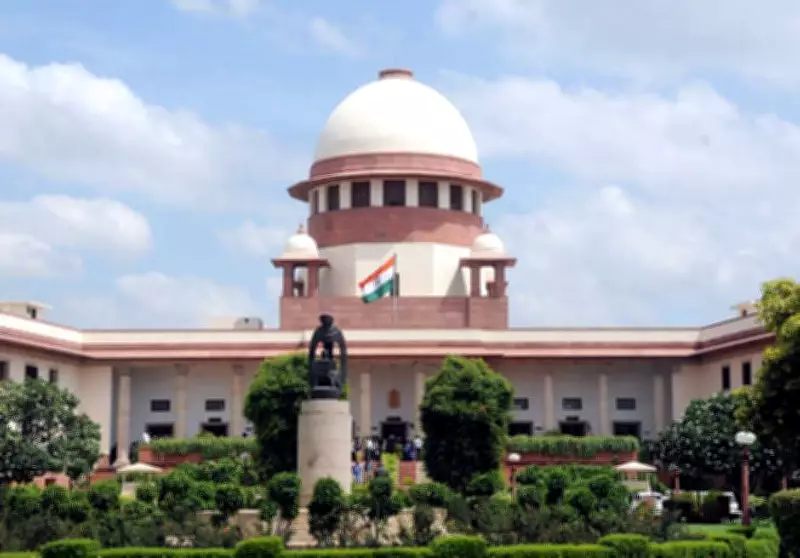
The Supreme Court of India has taken up a pivotal case to determine whether Parsi women can be deprived of their religious identity if they enter into an interfaith marriage. This constitutional challenge, which raises critical questions about gender equality within religious personal laws, was initiated by a petition filed by Dina Budhraja.
Bench Issues Notice and Highlights Legal Significance
A Bench led by Chief Justice of India Surya Kant announced on Monday that it would issue notices to key stakeholders, including the Centre, the Nagpur Parsi Panchayat, the Ministry of Minority Affairs, the Maharashtra government, and the Charity Commissioner. The Bench emphasized the importance of the legal issue at hand, stating, "We are issuing the notice. There is a similar plea with the important question of law."
The court's decision follows preliminary submissions presented by senior counsel Shayam Divan, who is representing the petitioner. The case centers on challenging the constitutional validity of Rule 5(2) of the Nagpur Parsi Panchayat's constitution.

Alleged Gender Discrimination in Parsi Personal Laws
Rule 5(2) of the Nagpur Parsi Panchayat's constitution is under scrutiny for its discriminatory provisions. According to the petitioner, this rule strips Parsi women of their religious identity and denies them access to religious institutions, such as the Agyari (Fire Temple), upon marrying a non-Parsi. However, the rule does not impose the same sanctions on Parsi men who marry outside the community, highlighting a clear case of gender-based discrimination.
The petitioner argues that this differential treatment violates constitutional principles of equality and non-discrimination. The case brings to light broader issues surrounding personal laws in India and their alignment with fundamental rights enshrined in the Constitution.
Broader Implications for Religious and Gender Rights
This legal battle has significant implications for religious freedom and gender justice in India. By examining whether religious identity can be revoked based on marriage choices, the Supreme Court's ruling could set a precedent for other communities and personal laws across the country.
The case also underscores ongoing debates about reforming personal laws to ensure they do not perpetuate gender inequality. As the court proceeds with its examination, it will weigh the autonomy of religious institutions against the constitutional mandate to protect individual rights.
Stakeholders and legal experts are closely monitoring the proceedings, as the outcome could influence future litigation and policy changes related to interfaith marriages and religious identity in India.