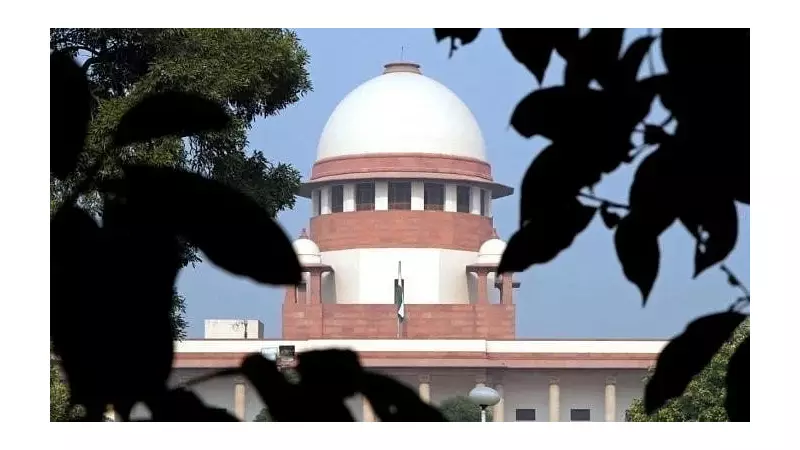
In a significant humanitarian gesture, the Supreme Court of India has permitted a pregnant woman and her minor child to enter the country from Bangladesh. The apex court's decision underscores the judiciary's role in addressing urgent human concerns beyond strict legal protocols.
Court's Directive and Key Details
The bench, comprising Chief Justice Surya Kant and Justice Joymalya Bagchi, issued the order based on compelling humanitarian considerations. The court specifically instructed the West Bengal government to take responsibility for the care and well-being of the minor child involved in the case.
This ruling was delivered on December 3, 2025, as confirmed by the news agency PTI. The court's intervention came after the unique circumstances of the case were presented, highlighting the vulnerable condition of the pregnant woman and her child.
Humanitarian Focus Over Procedure
The decision reflects a growing judicial trend where courts weigh humanitarian needs alongside legal statutes. By asking the state government to provide care, the Supreme Court ensured that its order would have immediate practical support on the ground.
The bench did not delve into the broader immigration policies but focused squarely on the immediate welfare of the two individuals. This case-by-case approach allows the judiciary to act as a safeguard in exceptional situations.
Implications and State Responsibility
The directive to the West Bengal government places a clear onus on the state machinery to facilitate the entry and provide necessary assistance. This includes potential arrangements for shelter, medical care for the pregnant woman, and support for the child.
Such rulings set important precedents for how border and humanitarian cases can be handled with compassion. They demonstrate the legal system's capacity to respond to human emergencies while involving the relevant state authorities for execution.
The Supreme Court's order is a standalone resolution for this specific case. It underscores the principle that in matters of extreme vulnerability, such as pregnancy and childhood, humanitarian grounds can warrant exceptional measures.