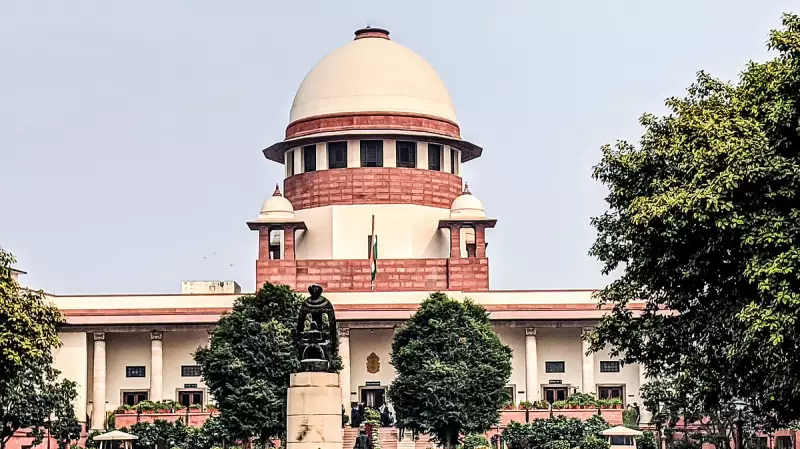
Supreme Court Dismisses JioStar's Plea, Greenlights CCI Investigation into Kerala Cable TV Market
In a significant development for India's media and competition law landscape, the Supreme Court has quashed a plea filed by JioStar, thereby allowing the Competition Commission of India (CCI) to proceed with a probe into alleged abuse of dominance in the cable television market of Kerala. This decision marks a pivotal moment in the ongoing legal and regulatory scrutiny of market practices in the broadcasting sector, particularly in a region known for its competitive media environment.
Background of the Case and Allegations by Asianet Digital Network
The case originated from a complaint lodged by Asianet Digital Network Limited (ADNPL), which has accused JioStar of engaging in anti-competitive behavior that contravenes the provisions of the Competition Act, 2002. According to ADNPL, JioStar has allegedly abused its dominant position in the television broadcasting space within Kerala, potentially stifling competition and harming consumer interests. The allegations center on practices that may have unfairly restricted market access or manipulated terms to the detriment of other players in the cable TV industry.
The Competition Commission of India, as the statutory body responsible for enforcing competition laws in India, had initiated an investigation based on these complaints. However, JioStar sought legal recourse by filing a plea in the Supreme Court, aiming to halt or challenge the CCI's probe. The Supreme Court's ruling to dismiss this plea underscores the judiciary's support for regulatory oversight in ensuring fair market practices, especially in sectors critical to information dissemination and entertainment.

Implications for the Broadcasting Industry and Competition Law in India
This Supreme Court decision is expected to have far-reaching implications for the broadcasting industry in Kerala and beyond. By allowing the CCI to continue its investigation, the court has reinforced the importance of maintaining competitive markets free from monopolistic abuses. The probe will likely delve into various aspects of JioStar's operations, including its market share, pricing strategies, and contractual agreements with stakeholders in the cable TV ecosystem.
For consumers in Kerala, this development could lead to more transparent and equitable services, as regulatory scrutiny often prompts companies to align their practices with legal standards. Moreover, it sets a precedent for how similar cases might be handled in other regions or sectors, highlighting the role of the Competition Act, 2002, in safeguarding economic fairness. Industry analysts are closely watching this case, as its outcome could influence future mergers, acquisitions, and business strategies in India's rapidly evolving media landscape.
As the CCI proceeds with its investigation, stakeholders including broadcasters, cable operators, and consumers await further details on the findings and any potential corrective measures. This ruling not only addresses specific allegations against JioStar but also contributes to the broader discourse on competition law enforcement in India, emphasizing the need for vigilance against anti-competitive practices in dynamic markets like cable television.