Russian Drone Strikes Estonian Power Plant, Latvian Incident Highlights Growing Spillover Risks from Ukraine War
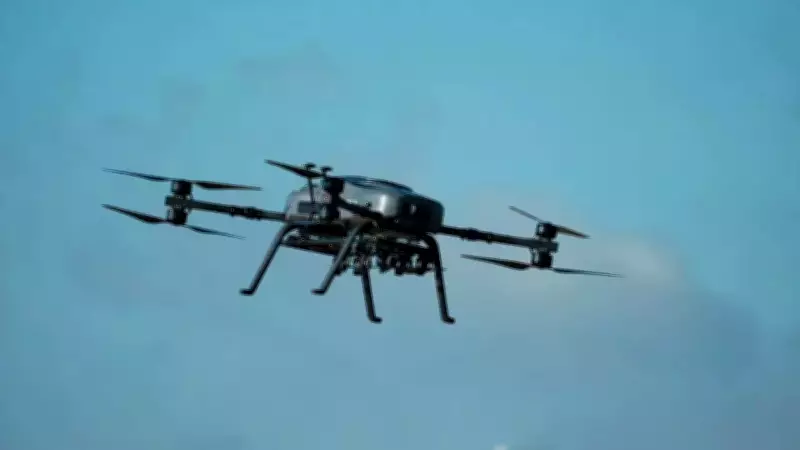
In a concerning development highlighting the expanding reach of the conflict in Ukraine, authorities reported on Wednesday that a drone entering from Russia struck a power plant in Estonia, while a second drone fell on the territory of Latvia. These incidents underscore the growing risks of spillover affecting neighboring countries, even without direct targeting.
Estonian Power Plant Targeted by Russian Drone
Estonia’s Internal Security Service (ISS) confirmed that the drone hit a chimney at the Auvere power plant, located in the country’s northeast near the border city of Narva. The facility, operated by Enefit Power, sustained damage, but fortunately, no injuries were reported. The ISS stated that the drone had entered Estonian airspace from Russia, prompting prosecutors to open an investigation into the case.
ISS Director General Margo Palloson linked the incident directly to Russia’s aggression in Ukraine, warning, “These are the effects of Russia’s large-scale war of aggression.” He expressed concern about the potential for similar incidents to occur in the future, emphasizing the broader regional instability caused by the conflict.

Latvia Reports Drone Fall with Ukrainian Origins Suspected
Simultaneously, Latvian Prime Minister Evika Siliņa announced on her X account that a drone had fallen on Latvian territory. Preliminary information suggests it may have been of Ukrainian origin. Latvia’s air force tracked an unmanned aerial vehicle entering from Russia, and early warning systems detected a sound resembling an explosion in the Kraslava region, near the border with Belarus.
Authorities later confirmed that no injuries or damage were reported, and the wreckage of the drone was recovered. This incident adds to the complexity of the situation, as it points to potential cross-border activities involving Ukrainian forces targeting Russian infrastructure.
Context of Overnight Ukrainian Drone Strikes
The incidents coincided with overnight Ukrainian drone strikes on Russian infrastructure, including the key Baltic port of Ust-Luga on the Gulf of Finland. This region is relatively close to Saint Petersburg, making the Baltic states a potential flight path for drones targeting northwestern Russia. The proximity highlights how the conflict’s dynamics are increasingly drawing in neighboring nations.
Officials in both Estonia and Latvia stressed that these events demonstrate how the Russia-Ukraine conflict is affecting countries beyond the immediate war zone, raising alarms about regional security and stability.
Broader Implications for Baltic Security
The drone strikes in Estonia and Latvia serve as a stark reminder of the spillover effects from the war in Ukraine. As the conflict intensifies, the risk of such incidents recurring grows, potentially leading to:
- Increased military tensions in the Baltic region.
- Heightened surveillance and defense measures by NATO members.
- Economic disruptions due to attacks on critical infrastructure like power plants.
- Diplomatic strains between Russia and neighboring countries.
These developments call for enhanced coordination among European nations to mitigate risks and protect sovereignty in the face of escalating regional conflicts.