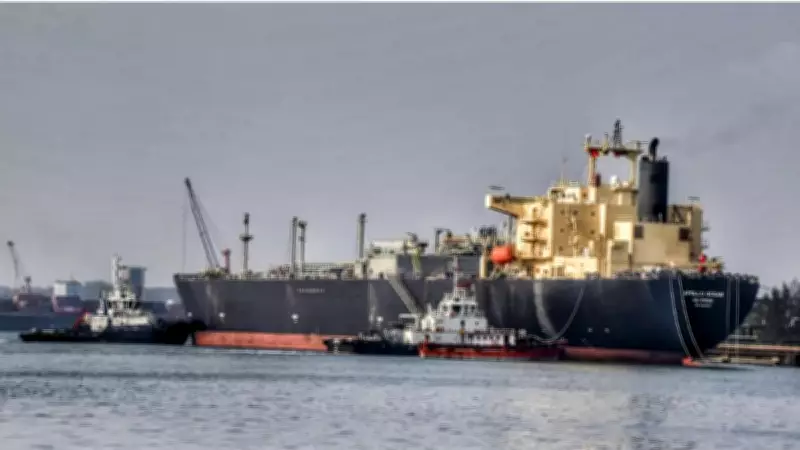
Indian Oil Tankers Successfully Navigate Strait of Hormuz Amid Rising Geopolitical Tensions
In a significant development for global energy security, Indian ships carrying petroleum products have recently crossed the strategically vital Strait of Hormuz. This maritime passage, located between the Persian Gulf and the Gulf of Oman, serves as a crucial chokepoint for approximately one-fifth of the world's oil supply. The successful transit occurs against a backdrop of escalating geopolitical tensions involving the United States, Israel, and Iran, which have heightened concerns over regional stability and the safety of commercial shipping lanes.
Geopolitical Context and Regional Instability
The Strait of Hormuz has long been a flashpoint in Middle Eastern geopolitics, particularly due to its importance for global energy markets. Recent months have seen a sharp increase in tensions, primarily driven by the ongoing conflict dynamics between Iran and a US-Israel alliance. These frictions have raised alarms about potential disruptions to maritime traffic, which could severely impact oil prices and supply chains worldwide. The Indian vessels' passage underscores the delicate balance maintained by international shipping operators in navigating these volatile waters while ensuring the continuous flow of essential commodities.
Implications for India's Energy Security and Global Trade
India, as one of the world's largest importers of crude oil and petroleum products, relies heavily on shipments transiting through the Strait of Hormuz to meet its domestic energy demands. Any significant disruption in this corridor could lead to supply shortages and price volatility, affecting both the Indian economy and global markets. The safe crossing of these Indian ships highlights the proactive measures taken by shipping companies and national authorities to mitigate risks. It also reflects broader efforts within the international community to safeguard freedom of navigation in accordance with established maritime laws, despite the challenging security environment.

- The strategic importance of the Strait of Hormuz as a global oil transit route.
- Ongoing geopolitical rivalries involving Iran, the US, and Israel.
- India's dependency on imported oil and the need for secure shipping lanes.
- International efforts to maintain maritime security and prevent escalations.
As tensions persist, the international community remains vigilant, monitoring developments that could influence regional stability and global energy supplies. The incident serves as a reminder of the interconnected nature of global trade and the critical role played by key maritime passages in sustaining economic activities across continents.