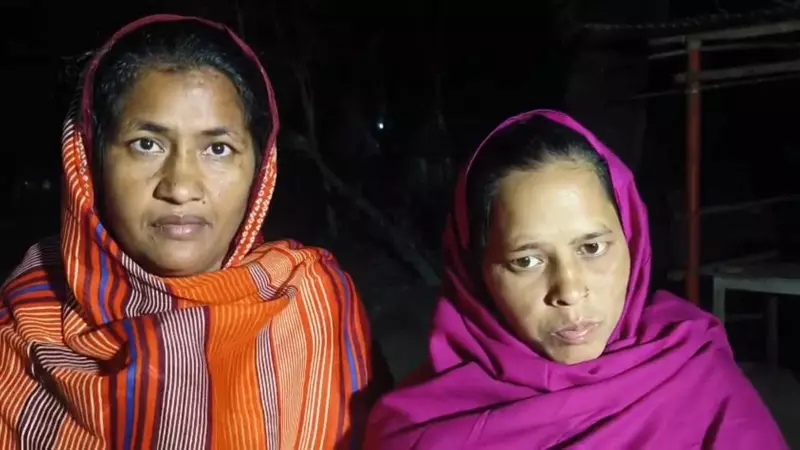
In a significant development, the Government of India informed the Supreme Court on Wednesday that it is prepared to bring back Sunali Khatun and her eight-year-old son from Bangladesh, purely on humanitarian grounds. This comes months after the woman, who was reportedly pregnant, was deported along with her family from Delhi.
A Deportation and a Legal Challenge
The case traces back to June of this year, when Sunali Khatun and her family, who were working as daily wage labourers in Delhi's Rohini area, were picked up by the police. They were subsequently deported to Bangladesh on suspicion of being foreign nationals. The action was challenged through a habeas corpus petition filed by Bhodu Sheikh in the Calcutta High Court. Bhodu Sheikh claimed to be a permanent resident of West Bengal and asserted that his daughter, Sunali Khatun, and her family were Indian citizens.
The Calcutta High Court ruled in favour of the petition, directing the Centre to bring back the deportees on the ground that due procedure for their expulsion was not followed. The Central government then appealed this order in the Supreme Court.
Supreme Court Hearing and Humanitarian Concession
During the hearing on December 1, the Supreme Court bench comprising Chief Justice of India Surya Kant and Justice Joymalya Bagchi had asked Solicitor General Tushar Mehta to seek instructions on whether Khatun and her son could be brought back to India on humanitarian grounds.
Appearing before the bench on Wednesday, Solicitor General Tushar Mehta conveyed the Centre's decision. He stated that the government agreed to bring back Sunali Khatun and her son "on humanitarian grounds". He clarified that this would be "without prejudice to our contentions on merits and our right to put them under surveillance." The court formally recorded this statement in its order.
Logistics and Medical Care Directed by the Court
The Supreme Court's order detailed the plan for their return. Since Sunali was taken into custody from Delhi, she will be brought back to the national capital. However, considering a suggestion from the counsel representing the respondents, the court noted it might be advisable to shift her to Birbhum district in West Bengal, where her father resides.
Taking note of Sunali Khatun's pregnancy, the bench issued specific directives for her welfare. It asked the chief medical officer of Birbhum, West Bengal, to provide all necessary medical facilities to her free of cost. The court also instructed the West Bengal state government to ensure care for her eight-year-old son, Sabir.
This decision marks a crucial interim relief in a case that sits at the complex intersection of citizenship determination, due process, and humanitarian concerns. The legal merits of the deportation and the question of the family's citizenship status will continue to be contested in court, as indicated by the Centre's caveat.