Allahabad High Court Judge Retires as Impeachment Proceedings Stall
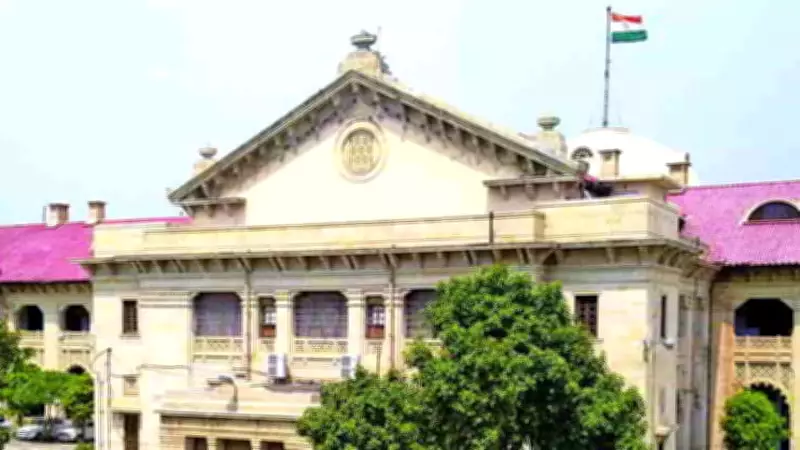
Justice Shekhar Kumar Yadav of the Allahabad High Court retired on Wednesday, bringing an end to a controversial tenure marked by an impeachment motion pending in the Rajya Sabha. The motion, initiated over alleged communal remarks made by the judge in December 2024, has automatically stalled due to procedural delays spanning 18 months, as per legal protocols that prevent such proceedings from continuing once a judge retires.
Background of the Controversial Remarks
Justice Yadav was appointed as an additional judge to the Allahabad High Court on December 12, 2019, and became a permanent judge on March 26, 2021. In December 2024, he sparked widespread outrage during a speech at an event organized by the legal cell of the Vishva Hindu Parishad (VHP). The event focused on the proposed Uniform Civil Code, where Justice Yadav allegedly made disparaging comments about Muslims.
He reportedly stated that India must function based on the will of the majority and used a derogatory term to refer to Muslims. His speech contrasted Hindu traditions with Muslim practices, including references to polygamy, triple talaq, and animal slaughter. This led to immediate backlash from members of the Bar, civil society groups, and politicians, who condemned his statements as divisive and inappropriate for a sitting judge.

Impeachment Motion and Procedural Hurdles
Within days of the speech, a campaign was launched in Parliament to initiate impeachment proceedings against Justice Yadav. Around 13 senior advocates wrote to then Chief Justice of India Sanjiv Khanna, urging a criminal investigation into the judge's remarks. The Supreme Court collegium considered an in-house inquiry but halted the move after the Rajya Sabha secretariat communicated that impeachment was Parliament's prerogative.
On December 13, 2024, a motion to impeach Justice Yadav was submitted to the secretary general of the Rajya Sabha. It was signed by 55 MPs, exceeding the requirement of 50 members' consent needed to move forward with an impeachment motion. However, the process soon encountered procedural hurdles, and the motion remained pending without formal admission, leading to an 18-month delay that ultimately rendered it moot upon his retirement.
Legal Implications of Retirement
A legal expert explained on the eve of Justice Yadav's retirement that impeachment proceedings are designed specifically to remove a sitting judge from office. Once a judge retires, these proceedings cannot continue, as the purpose is no longer applicable. This rule has effectively ended the impeachment effort against Justice Yadav, despite the serious nature of the allegations and the significant support for the motion among lawmakers.
The full court reference held on Justice Yadav's last official day at work marked the conclusion of his judicial career, albeit under a cloud of controversy. The case highlights the complexities and delays in the impeachment process for judges in India, raising questions about accountability and procedural efficiency in the judiciary.