

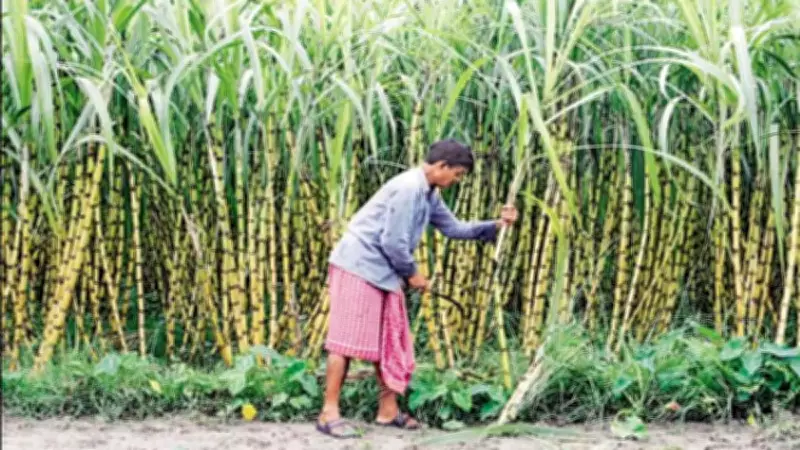
Modi Government Proposes Major Overhaul of Sugarcane Control Order
The Narendra Modi-led government has initiated a significant reform by proposing a complete revision of the Sugarcane Control Order, 1966, a law that has governed the sugarcane sector for nearly six decades. This move aims to modernize outdated regulations, enhance efficiency in the sugar industry, and better support the millions of farmers dependent on sugarcane cultivation across India.
Public Consultation Period Announced
In a bid to ensure transparency and inclusivity, the government has opened a public consultation process for the draft of the revamped law. Stakeholders, including farmers, industry experts, and the general public, are invited to submit their comments and suggestions by May 20, 2026. This extended timeline allows for thorough deliberation and feedback collection, reflecting the administration's commitment to participatory policymaking.
Key Objectives of the Revision
The proposed overhaul seeks to address several critical issues in the current framework. Primary goals include streamlining pricing mechanisms, improving payment systems for farmers, and introducing provisions for sustainable farming practices. By updating the decades-old order, the government aims to align the sugarcane sector with contemporary agricultural needs and economic realities, potentially boosting productivity and farmer incomes.

Impact on Farmers and Industry
This revision is expected to have far-reaching implications for India's agricultural landscape. Farmers, who have long faced challenges such as delayed payments and price volatility, may benefit from more robust safeguards and incentives. Simultaneously, the sugar industry could see enhanced operational clarity and support for innovation, fostering a more competitive and resilient market environment.
Historical Context and Modern Needs
The Sugarcane Control Order, 1966, was established during a different economic era and has seen limited updates over the years. With changing climate conditions, technological advancements, and evolving market dynamics, the need for a comprehensive update has become increasingly apparent. This initiative underscores the government's focus on reforming legacy policies to meet current and future challenges in agriculture.
As the consultation process unfolds, all eyes will be on how this proposed law shapes the future of sugarcane farming in India, balancing the interests of farmers, industry players, and the broader economy.






