The Ashok Kharat 'Godman' Scandal: A Deep Dive into Nashik's Astrologer Arrest
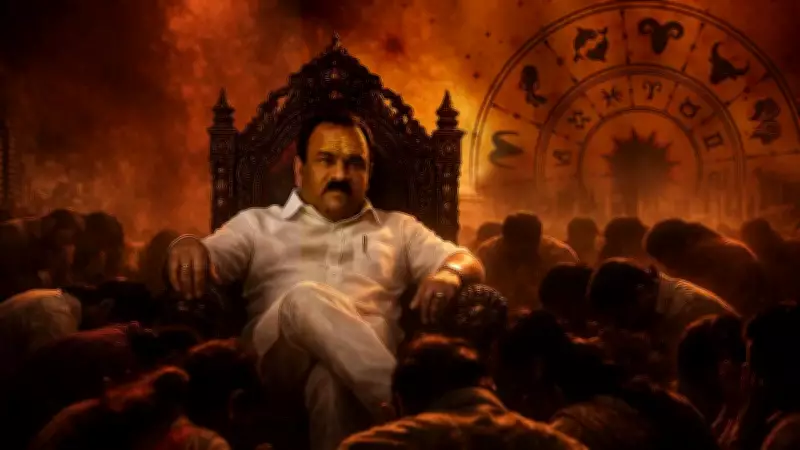
The saga of Ashok Kharat, a self-proclaimed astrologer and spiritual adviser widely known as a "godman," erupted in mid-March 2026 when Nashik police took him into custody. He faces serious allegations of repeatedly sexually assaulting a 35-year-old woman over several years, marking the beginning of a complex criminal investigation.
Initial Allegations and Police Action
The first FIR was registered on March 17, 2026, after the woman accused Kharat of using his supposed supernatural powers to instill fear and coerce compliance. She detailed how he threatened that her husband would die if she disobeyed him and allegedly assaulted her after administering sedative-laced concoctions disguised as ritual "holy water." This led to Kharat being remanded in police custody, and authorities swiftly constituted a Special Investigation Team (SIT) to probe not only the sexual assault case but also related charges of exploitation and financial wrongdoing.
A Cascade of Complaints and Expanding Charges
Soon after the initial arrest, more women began stepping forward to register FIRs against Kharat, revealing a disturbing pattern of abuse under the guise of spiritual guidance. A seventh rape case was added when a 24-year-old woman accused him of giving her sedative-laced water under the pretext of aiding her career and repeatedly sexually exploiting her between July and December 2024. Police charged him under various sections, including those against rape and blackmail, prompting the state government to expand the SIT to handle the growing caseload.

In addition to rape complaints, the SIT received over 100 calls from alleged victims or their relatives, with grievances ranging from sexual harassment to cheating and exploitation. Some callers described being charged exorbitant fees or sold cheap items at high prices, allegedly under Kharat's influence. This deluge of complaints resulted in a flurry of FIRs and highlighted the scale of the alleged exploitation racket, with registered cases exceeding eight, including non-sexual offences such as cheating and extortion.
Financial Crimes and Wider Investigation
Beyond sexual exploitation, the investigation broadened to encompass economic offences. An FIR for cheating, criminal breach of trust, and illegal money lending was registered in Shirdi's Ahilyanagar district, all linked to land worth nearly ₹10 crore that Kharat allegedly acquired through fraudulent loan agreements and forced transactions. Two associates were arrested, while Kharat's wife, Kalpana, and another accused remained absconding.
In a separate development, a Pune businessman alleged that Kharat used fear, black magic, and threats to extract luxury gifts and payments worth nearly Rs 5 crore over years—a pattern reminiscent of extortion. The SIT's work extended beyond FIRs, with forensic teams seizing devices from Kharat's office and finding alleged evidence of manipulation, including phone contacts saved under various aliases. Authorities are examining whether drugs or other substances were used to incapacitate victims. Initially, custody was extended till April 1, but the court later remanded Kharat to 14 days of judicial custody, a key procedural step.
Background and Exposure of the 'Godman'
Ashok Kharat, hailing from Kahandalwadi village in Nashik district, had a turbulent early life. After failing his Class 10 examination in the 1970s, his father reportedly gave him Rs 4,000 to hand over to someone, but he allegedly fled with the money instead. Years later, Kharat claimed to have joined the merchant navy, asserting he rose to the rank of captain within a decade, though some accounts contradict this, suggesting his stint lasted only around four years and he did not advance beyond sailor.
In the 1990s, he shifted to Nashik city, working as an astrologer and face reader. By the early 2000s, he established a real estate advisory firm, 'Okas Property,' in the Canada Corner area. Despite its stated purpose, sources indicated that most interactions at the office revolved around occult practices rather than property deals. His claims of studying astrology and numerology internationally helped him build a following, earning him the moniker 'Captain Baba.'

The alleged exposure came through 35-year-old office assistant Neeraj Jadhav, who himself has been accused of attempting to blackmail Kharat before eventually handing over evidence to police. Jadhav, who began working for Kharat in 2019, grew suspicious over time and, with a friend, allegedly installed a concealed camera in Kharat's office to collect evidence.
Political Storm and Administrative Fallout
As the probe gathered pace, the case quickly transcended its criminal roots to become a major political controversy in Maharashtra. At the centre was Rupali Chakankar, chairperson of the Maharashtra State Commission for Women and a senior leader of the Nationalist Congress Party (NCP). Following repeated allegations about her links with Kharat and his trust, Chief Minister Devendra Fadnavis asked her to step down from the women's commission to ensure an impartial investigation. Shortly after resigning as the women's panel chief, Chakankar also quit her role as state president of the NCP's women's wing under internal party pressure and mounting criticism from opposition parties and activists. In her resignation statement, she denied any financial or active involvement in Kharat's alleged crimes.
Chakankar's resignation did little to quell the political uproar. Opposition parties, including Shiv Sena (UBT) and Congress, argued it was insufficient and demanded legal action and a comprehensive investigation into her association with the accused astrologer. They called for her inclusion in FIRs and transparency in the probe's political dimensions. The controversy sparked discussion within the NCP, with members urging senior leadership, including state NCP president Sunetra Pawar, to act decisively to shore up the party's image. Calls came for broader accountability and for political figures who had visited or publicly supported Kharat over the years to explain themselves. Activists and critics painted the controversy as symptomatic of deeper issues in Maharashtra politics, with some opposition voices likening the fallout to high-profile global scandals and demanding fresh accountability measures and victim support mechanisms.
Administratively, the state government ordered a review and cancellation of a bulk water sanction previously granted in 2020 to the trust headed by Kharat, part of efforts to scrutinise how government benefits were extended to entities associated with the accused. In parallel, civic activists petitioned the government to investigate questionable land transactions allegedly involving Kharat's associates, including a prime Pune plot reportedly acquired under suspicious circumstances without charity commission approval, potentially implicating broader institutional lapses.
Broader Impact and Empowerment of Victims
The ramifications of the Ashok Kharat case have echoed beyond Nashik. In nearby Palghar district, police booked another self-styled godman for rape after the complainant found the courage to allege abuse following the high-profile Kharat arrests. This suggests the Nashik case may have empowered other victims to come forward, highlighting a potential ripple effect in exposing similar abuses.
This article is based on reports and investigations into the ongoing case, with details subject to legal proceedings and further updates from authorities.