Bhubaneswar Court Sentences Seven to Prison for SIM Card Racket Aiding Pakistani Spies
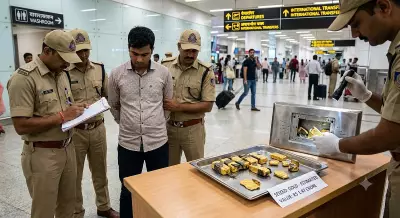
A court in Bhubaneswar delivered a significant verdict on Wednesday, sentencing seven individuals to three years of rigorous imprisonment for their involvement in supplying pre-activated SIM cards and one-time passwords (OTPs) to suspected Pakistani intelligence operatives. This case highlights a critical breach in national security protocols, with the convicts hailing from multiple Indian states including Odisha, Maharashtra, and Assam.
Arrests and Identification of the Accused
The Special Task Force (STF) of the crime branch conducted arrests between May and June 2023, apprehending the seven men who were central to this illicit operation. The convicted individuals have been identified as:
- Pathanisamant Lenka from Nayagarh, Odisha
- Saroj Kumar Nayak from Nayagarh, Odisha
- Pradyunmna Kumar Sahoo from Nayagarh, Odisha
- Soumya Pattanayak from Jajpur, Odisha
- Pritam Kar from Jajpur, Odisha
- Abhijeet Sanjya Jambure from Satara, Maharashtra
- Mohammad Ikbal Hussain from Nagaon, Assam
Their arrests followed a meticulous investigation into activities that posed a direct threat to India's internal security framework.

Modus Operandi and Criminal Activities
STF officials provided detailed insights into the operation, revealing that the accused procured banned pre-activated SIM cards using forged documents. These SIMs were then sold to anti-national elements, including Pakistani intelligence operatives, facilitating a range of malicious activities.
The primary uses of these SIM cards included:
- Generating OTPs for opening fraudulent bank accounts
- Conducting unauthorized online transactions
- Creating fake social media handles and email IDs
- Spreading propaganda and hate messages against India
An STF official elaborated, "The accused were integral to a larger criminal network. They shared phone numbers with domestic criminals and sold the banned SIMs to Pakistani spies. When these numbers were used to open accounts, OTPs were sent to the accused, who then monetized this information by passing it on for financial gain."
Impact on National Security and Propaganda Efforts
This racket enabled the creation of numerous fake online profiles, which were exploited to disseminate hate messages and communally-sensitive content. These activities were designed to appear as if they originated from Indian users, while being orchestrated from Pakistan, thereby manipulating public perception and sowing discord.
According to the STF, the platforms created through this scheme were used for:
- Espionage and terrorist communication
- Radicalization efforts
- Anti-India propaganda campaigns
- Sextortion and honey-trapping operations
In a written statement, the STF emphasized, "The accused persons were involved in activities that could destabilize the nation's internal security," underscoring the grave nature of their crimes.
Legal Proceedings and Sentencing
Based on substantial evidence presented during the trial, the sub-divisional judicial magistrate imposed a sentence of three years of rigorous imprisonment on each convict. Additionally, a fine of Rs 32,000 was levied on each individual, reflecting the court's stern stance against such security breaches.
When questioned about the absence of more severe charges such as sedition or waging war against the country, the STF provided clarification: "The role of the accused was limited to selling SIMs and OTPs. The investigation remains ongoing, and those with established direct links to anti-national elements will face further legal action." This indicates that the probe may expand to uncover deeper connections within this security threat network.
This case serves as a stark reminder of the vulnerabilities in digital and telecommunications systems that can be exploited for nefarious purposes, necessitating continued vigilance and robust legal frameworks to safeguard national interests.