Gaya Village's Biogas Initiative Transforms Energy Access and Livelihoods
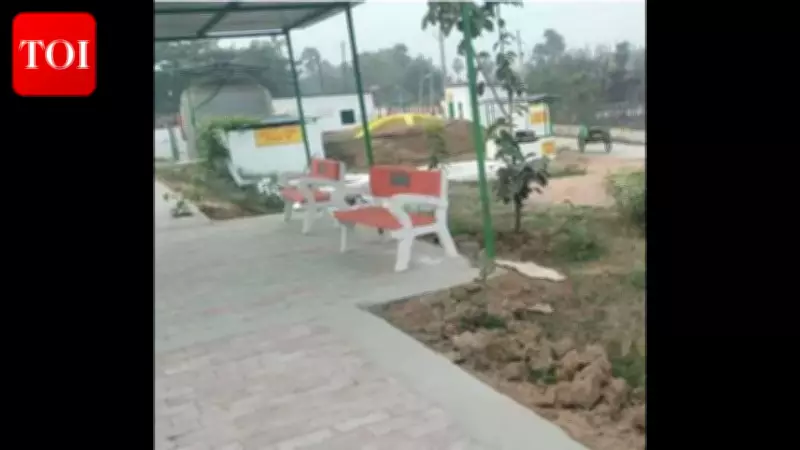
In the Bodh Gaya block of Gaya district, Bataspur village is pioneering a sustainable energy solution that addresses widespread concerns over LPG shortages and high costs. A community-driven biogas plant, powered by cow dung, is providing reliable cooking fuel to dozens of households while fostering economic self-reliance.
Affordable Fuel and Economic Benefits
The biogas plant, established three years ago at an estimated cost of Rs 50 lakh, supplies gas through pipelines to 35–50 households. Priced at Rs 25 per unit, with average monthly consumption of 20 units per household, the total expense is around Rs 450—nearly half the cost of a standard LPG cylinder. This significant savings comes as many families across the state grapple with fuel affordability issues.
The project has sparked a positive economic cycle:

- Villagers earn income by selling cow dung to the plant at 50 paise per kilogram
- Increased cattle rearing supports dairy farming, with over 200 litres of milk supplied daily to a cooperative
- A local milk collection centre has been established to facilitate this trade
Community Management and Operational Details
Manoranjan Samdarshi, deputy mukhiya of Basadhi panchayat, explained that the plant requires approximately two tonnes of cow dung daily. Initially sourced from outside the village, dung procurement has shifted to local production as villagers embraced cattle rearing to cut costs and generate additional revenue.
The panchayat employs two JEEVIKA didis, including one dung collector, to operate the facility, with maintenance handled by the local committee. This community management model ensures sustainability and local ownership.
Reduced Dependence on LPG
Residents like Babita Devi, who has used biogas for three years, appreciate the convenience and reliability. "There is no pressure of booking refills or waiting for cylinders," she noted, adding that while she maintains an LPG connection as backup, biogas is her primary cooking fuel due to its lower cost and consistent availability.
Samdarshi confirmed that most households retain LPG connections but no longer face anxiety about fuel shortages. The plant has capacity to serve at least 50 homes, with plans to scale up dung collection if demand increases further.
A Model for Rural Self-Reliance
This initiative demonstrates how localized energy solutions can address broader challenges. By combining affordable cooking fuel with income-generating activities like dairy farming, Bataspur village has created a replicable model of rural development that reduces external energy dependency while strengthening community resilience.