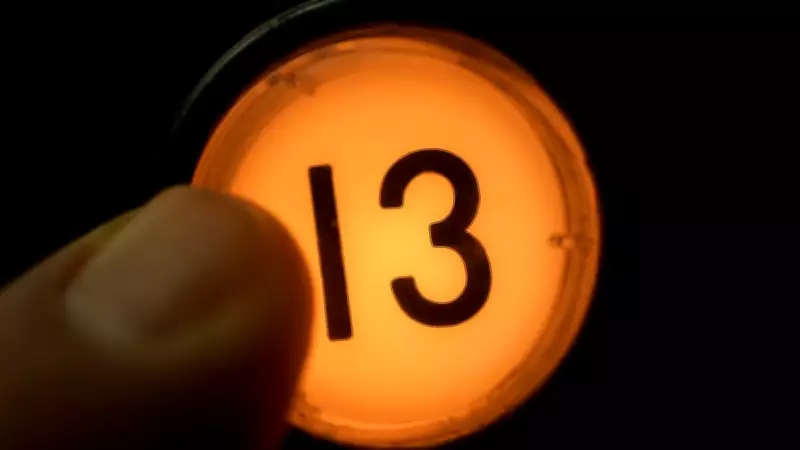
Friday the 13th: A Deep Dive into the Superstition's Enduring Legacy
Friday the 13th is a date that has long been shrouded in superstition and fear, with many people around the world considering it unlucky. This belief, known as paraskevidekatriaphobia, affects millions, leading to changes in behavior, such as avoiding travel or important decisions on this day. But where did this superstition originate, and why does it persist in modern times? Let's explore the historical roots and psychological impacts of this intriguing phenomenon.
Historical Origins of the Friday the 13th Superstition
The origins of Friday the 13th as an unlucky day are complex and multifaceted, drawing from various cultural and historical sources. One prominent theory traces it back to Norse mythology, where a dinner party of 12 gods was disrupted by the uninvited 13th guest, Loki, leading to chaos and misfortune. This story, combined with Christian traditions, where Jesus was crucified on a Friday and the Last Supper had 13 attendees, reinforced the negative connotations.
In medieval Europe, Friday was already considered an unlucky day due to associations with executions and bad omens. The number 13, often seen as irregular or incomplete compared to the "perfect" number 12, added to the superstition. Over time, these elements merged, creating the widespread belief that Friday the 13th brings bad luck, influencing everything from architecture—where some buildings skip the 13th floor—to daily activities.

Psychological and Social Impacts in the Modern Era
Today, the fear of Friday the 13th has significant psychological and social effects. Studies show that paraskevidekatriaphobia can lead to increased anxiety, reduced productivity, and even economic impacts, as people avoid starting new projects or making investments on this day. In some cases, businesses report lower sales or attendance, highlighting how superstition shapes consumer behavior.
Psychologists attribute this to cognitive biases, such as the confirmation bias, where people remember negative events on Friday the 13th more vividly, reinforcing the belief. Additionally, media and pop culture, like the "Friday the 13th" horror film franchise, have amplified the superstition, making it a global phenomenon. Despite advancements in science and rationality, this fear persists, showing how deeply ingrained cultural beliefs can be.
Global Variations and Cultural Perspectives
While Friday the 13th is widely feared in Western cultures, other parts of the world have different unlucky days or numbers. For example, in Italy, Friday the 17th is considered unlucky, and in many Asian cultures, the number 4 is avoided due to its phonetic similarity to "death." These variations highlight how superstitions are shaped by local histories and languages, yet they share common psychological underpinnings related to fear and uncertainty.
In contrast, some cultures view Friday the 13th positively or neutrally. In India, for instance, certain festivals or events might occur on this date without negative connotations, emphasizing the diversity of beliefs. Understanding these global perspectives can help demystify the superstition and promote a more rational approach to such fears.
Conclusion: Navigating Superstition in a Rational World
Friday the 13th serves as a fascinating case study in how ancient myths evolve into modern-day fears. By examining its historical roots and psychological effects, we can better understand why superstitions endure and how they impact our lives. While it's natural to feel cautious, embracing rationality and critical thinking can help mitigate unnecessary anxiety. Ultimately, whether you fear Friday the 13th or see it as just another day, its story reminds us of the power of belief in shaping human behavior.