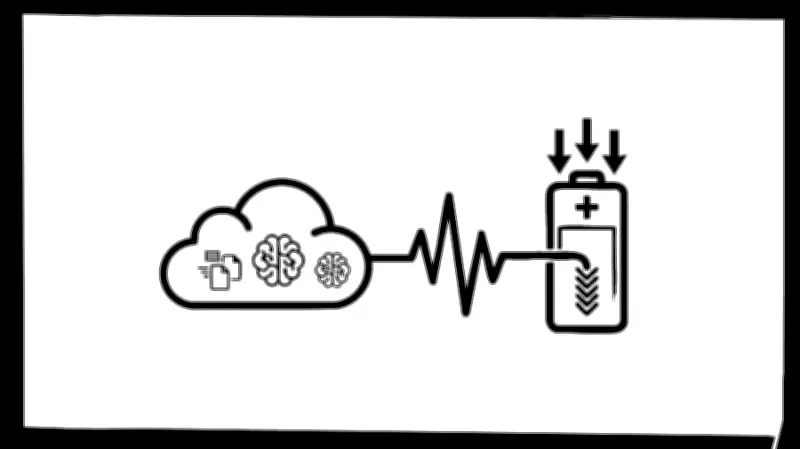
Data Centres Test India's Energy Discipline
The rapid expansion of data centres in India, driven by the push for artificial intelligence infrastructure, is putting the nation's energy discipline to a critical test. As demand for computing power surges, there is an urgent need to back this growth with efficiency-linked approvals and smart resource management strategies to ensure sustainability.
The AI Infrastructure Push and Its Implications
India's ambitious drive to build advanced AI infrastructure has led to a significant increase in the number of data centres across the country. These facilities are essential for processing vast amounts of data required for AI applications, but they also consume enormous amounts of energy. This trend highlights the importance of implementing robust policies that link approvals to energy efficiency standards, ensuring that growth does not come at the expense of environmental stability.
Smart resource management is becoming increasingly crucial in this context. By adopting innovative technologies and practices, such as renewable energy integration and advanced cooling systems, India can mitigate the energy demands of its data centres. This approach not only supports the AI infrastructure push but also aligns with global sustainability goals, positioning India as a leader in responsible technological development.

Challenges and Opportunities for Sustainable Growth
The challenges posed by data centres extend beyond energy consumption to include water usage and carbon emissions. However, these challenges also present opportunities for innovation and improvement. For instance, efficiency-linked approvals can incentivize data centre operators to adopt greener practices, while smart resource management can optimize existing infrastructure to reduce waste and enhance performance.
In summary, as India continues to invest in data centres and AI infrastructure, it must prioritize energy discipline through strategic policies and management. This will not only support the nation's technological ambitions but also contribute to a more sustainable and resilient future, balancing growth with environmental responsibility.