Union Budget 2026: Rs 10,000 Crore Container Manufacturing Scheme to Reduce Dependency
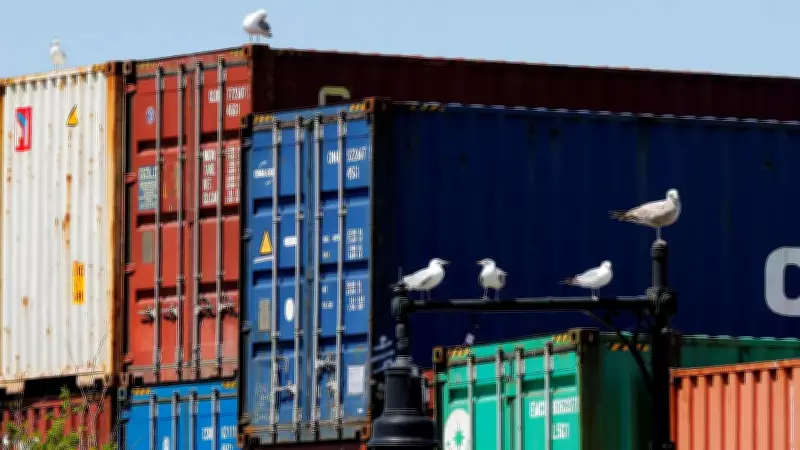
In a significant move to bolster India's maritime infrastructure and reduce external dependencies, Finance Minister Nirmala Sitharaman announced a Rs 10,000 crore container manufacturing scheme during her Union Budget speech on Sunday. This initiative comes at a crucial time when India faces a critical shortage of shipping containers, leading to substantial reliance on foreign suppliers, particularly China.
Addressing Post-Pandemic and Geopolitical Vulnerabilities
The renewed governmental focus on container manufacturing has been catalyzed by recent global disruptions. The Covid-19 pandemic and the subsequent Red Sea crisis starkly highlighted India's vulnerabilities in global supply chains. These events exposed the nation's heavy dependency on other countries for essential shipping infrastructure, prompting strategic policy interventions.
China currently dominates the global container manufacturing landscape, producing up to 95 percent of the world's shipping containers. This near-monopoly is largely controlled by a few highly subsidized state-owned enterprises in China, which has raised significant security and economic concerns among major economies including the United States, the European Union, and India.

Global Context and Strategic Shifts
The international community has begun taking steps to mitigate these risks. The United States has initiated plans to de-risk its ports from over-reliance on Chinese containers and port cranes. Similarly, India commenced its own container manufacturing efforts after 2021, laying the groundwork for the substantial budgetary allocation announced in 2026.
The Red Sea crisis particularly exacerbated global shipping challenges. Container ships experienced increased dwell times of nearly a week to ten days as traders rerouted via the Cape of Good Hope. Although the Red Sea route has since resumed normal operations, shipping rates remained elevated for most of the previous year, putting pressure on Indian exporters.
Impact on Indian Exporters and Global Shipping
Indian exporters found themselves at a disadvantage, often compelled to accept higher shipping rates due to India's lack of a globally reputed shipping line. This situation coincided with unprecedented profitability for international shipping companies in 2024. Danish shipping giant Maersk, considered a barometer of world trade, revised its profit forecast upward three times during the year, attributing this success to higher freight rates.
According to World Bank analysis following the Red Sea crisis, shipping costs peaked in July 2024 at levels last seen in 2022 before declining rapidly. By September 2024, costs had fallen by almost 40 percent from July peaks, returning to January 2024 rates. However, they remained more than twice as high as at the end of 2023, indicating persistent inflationary pressures in global logistics.
Strategic Importance of the Budgetary Allocation
The Rs 10,000 crore container manufacturing scheme represents a strategic investment in India's economic sovereignty. By developing domestic manufacturing capabilities, India aims to:
- Reduce dependency on Chinese container imports
- Strengthen supply chain resilience against future global disruptions
- Create manufacturing jobs and boost the domestic industrial base
- Provide Indian exporters with more competitive shipping options
- Address national security concerns related to critical infrastructure
This budgetary initiative aligns with broader efforts to position India as a self-reliant manufacturing hub while navigating complex geopolitical and economic landscapes. The substantial funding commitment underscores the government's recognition of containers as critical infrastructure components in global trade, worthy of strategic investment and policy support.