

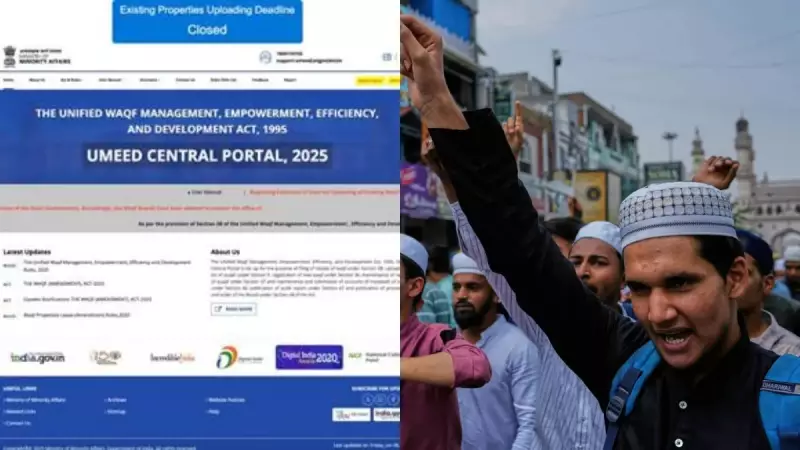
The deadline for the initial registration phase on the central government's Umeed portal has officially concluded, marking a significant milestone in the effort to create a comprehensive digital record of India's Waqf properties. According to official data, a remarkable over 5 lakh (500,000) Waqf properties across the country have been registered on the platform within the stipulated six-month period.
A Digital Push for Transparency and Management
Launched by the Ministry of Minority Affairs, the Umeed portal is a cornerstone initiative aimed at bringing transparency and streamlined management to the vast portfolio of Waqf assets in India. The six-month window, which began in early June 2024, was designated for all state Waqf boards and their managing committees to upload detailed information about properties under their jurisdiction. The primary goal was to establish a verified, centralized database to prevent encroachment, enable better upkeep, and optimize the utilization of these assets for community welfare.
The registration process required officials to submit critical details for each property, including its geographical location, type (such as agricultural land, commercial buildings, or mosques), current status, area, and any existing lease or rental agreements. The high registration figure of over 5 lakh properties indicates a widespread, pan-India response from the various Waqf administrative bodies.

Challenges and the Road Ahead
While the registration numbers are substantial, the process has not been without its challenges. Officials from several states reported difficulties in collating century-old records for some properties, especially those in remote areas. There were also logistical hurdles in physically verifying details and digitizing archaic documents. Despite these obstacles, the push from the central ministry ensured a concerted effort to meet the deadline.
With the initial data entry phase now complete, the focus shifts to the next critical stages. Authorities will now begin a thorough process of verification and validation of the uploaded information. This will involve cross-checking records with local revenue documents and conducting ground surveys where necessary. Following verification, each registered property is expected to be issued a unique identification number, which will be crucial for all future transactions and legal matters.
Official Reactions and Future Implications
Reacting to the development, officials from the Ministry of Minority Affairs expressed satisfaction with the initial turnout. They emphasized that this digital inventory is a transformative step. "This is just the beginning of a new era of accountability for Waqf properties," stated a senior ministry official involved with the project. "The Umeed portal will empower the boards, reduce litigation, and most importantly, ensure that the income from these assets is rightfully used for the benefit of the community, particularly in education and healthcare."
Nazima Begum, a spokesperson for a state Waqf board, highlighted the long-term benefits. "For decades, managing these scattered properties was a manual, opaque process. The portal will help us track leases, identify illegal occupations, and plan development projects systematically. It is a welcome reform," she said.
The success of this registration drive is seen as a major achievement for the government's governance and digital India initiatives concerning minority affairs. A complete and verified database is anticipated to unlock significant economic value from these assets, estimated to be among the largest landholding entities in the country. The journey from registration to full operational transparency continues, but the first major hurdle has been crossed with the documentation of over half a million properties.






