

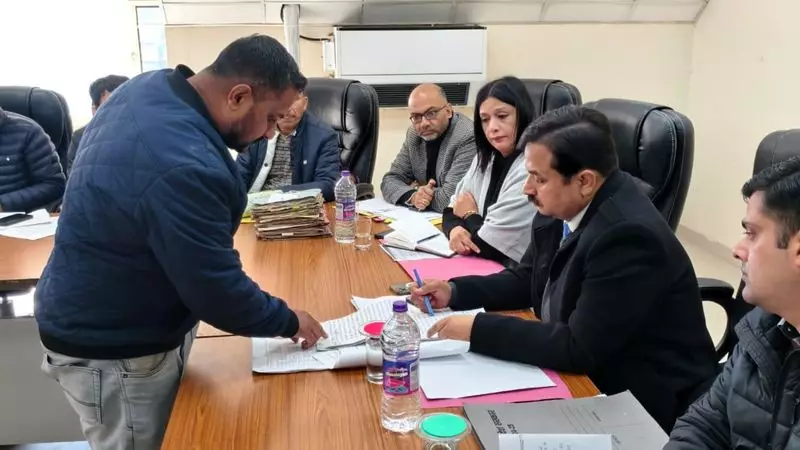
In a decisive move to enhance administrative efficiency, Shimla Deputy Commissioner Anupam Kashyap has issued strict instructions to revenue department officials to accelerate their work and clear all pending cases. The directive, aimed at improving public service delivery, sets a clear timeline for the disposal of long-standing matters.
Directive for Expedited Disposal of Pending Cases
Deputy Commissioner Anupam Kashyap has mandated that all revenue officers and kanungos must complete their assigned tasks within a 15-day timeframe. This order was delivered during a high-level meeting convened specifically to review the progress of revenue-related work across the district. The DC emphasized that any delays in public service are unacceptable and that the administration's primary focus must be on timely resolution of citizens' issues.
The meeting involved a thorough review of various ongoing and stalled processes. Key areas of focus included mutations (the process of updating land records after a sale or inheritance), partition cases, and other essential revenue functions. Kashyap made it clear that officials are now personally accountable for ensuring that these tasks are completed without further postponement.

Accountability and Public Service Focus
Anupam Kashyap stressed that the revenue department is a vital interface between the government and the public. He stated that officials must adopt a proactive and responsible approach to their duties. The DC warned that negligence or inaction would not be tolerated and that disciplinary action could be initiated against those who fail to meet the new deadlines.
This push for efficiency is part of a broader effort to streamline governance in Himachal Pradesh. By setting a concrete 15-day deadline, the district administration aims to reduce the backlog of cases that often leads to public inconvenience and grievances. The directive is expected to bring much-needed urgency to the revenue department's functioning.
Expected Outcomes and Administrative Push
The immediate goal of this order is to ensure that common people do not face unnecessary hurdles in matters related to land and property. Swift mutation and partition processes are crucial for property transactions and resolving family disputes. The DC's intervention signals a top-down demand for performance and responsiveness within the bureaucracy.
This initiative by the Shimla DC is seen as a significant step towards better governance and public service delivery in the region. It underscores the administration's commitment to resolving long-pending issues and making the revenue machinery more accountable to the citizens it serves. The success of this drive will be closely monitored in the coming weeks.






