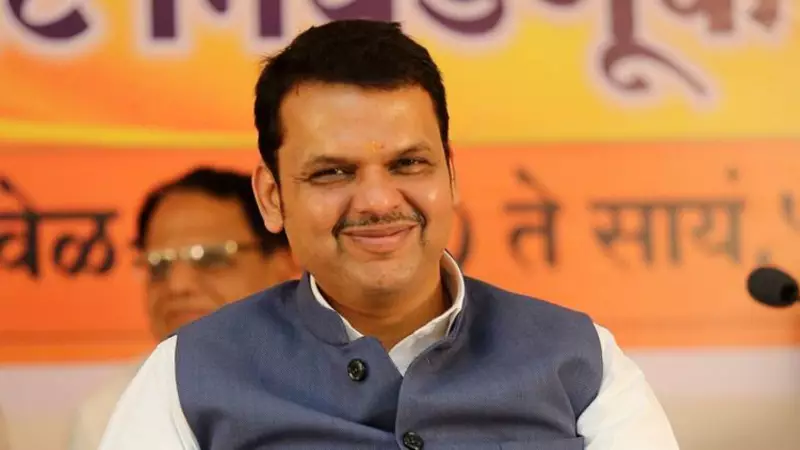
In a major push to address the city's chronic traffic woes, Maharashtra Chief Minister Devendra Fadnavis announced that Pune will get a network of road tunnels designed to cut across the city and ease congestion. The announcement was made on Monday, December 16, 2025, during the inauguration of civic projects worth Rs 3,000 crore, ahead of the upcoming municipal polls.
Mega Projects to Ease Public Life
Fadnavis, along with Deputy Chief Minister Ajit Pawar, inaugurated and laid the foundation stones for a slew of projects focused on water supply, sewage treatment, and traffic management. "All the civic projects inaugurated today are of public benefit which will ease lives of common people," stated the Chief Minister. He emphasized that the city's development must align with its growing needs, especially as Pune and Navi Mumbai are predicted to emerge as leading Global Capability Centres (GCC) and hubs for Artificial Intelligence (AI) in India.
"Pune is the growth engine of the state... India is predicted to be the capital of data centres. There will be a data-driven economy in the future. Pune along with Navi Mumbai will be the AI hub of the country," Fadnavis said, highlighting the city's crucial role in the nation's economic growth.

Tunnel Roads and Ring Road: A Two-Pronged Attack on Traffic
Identifying mobility as a critical issue, Fadnavis pointed to traffic congestion and resulting pollution as primary concerns. "The city needs to have road infrastructure that decongests existing roads," he asserted. The proposed network of tunnel roads is envisioned as a long-term solution to this problem, providing alternative routes that bypass surface-level bottlenecks.
Complementing this, the Pune Ring Road is expected to significantly ease inner-city traffic by diverting through traffic that originates from outside the city. Fadnavis explained that the main traffic snarls occur at the city's entry and exit points, where it can take vehicles up to two hours to get out. To address this, elevated roads are also planned on highways like Nagar Road and Solapur Road.
The government has prepared a comprehensive mobility plan for Pune, which includes the ongoing metro expansion and the addition of 1,000 electric buses to the public transport fleet for seamless connectivity.
Focus on Future Needs: Water and Continued Development
Deputy CM Ajit Pawar echoed the sentiment of preparing for future growth, stating, "We cannot stop the progress but have to be prepared to handle it." He flagged water scarcity as a looming concern and revealed plans to meet the rising demand by sourcing water from the Mulshi dam, which has so far been used only for power generation.
Union Minister Murlidhar Mohol credited the BJP's decade-long rule for bringing mega infrastructure projects to Pune, specifically noting that the metro rail project became a reality under their governance.
Key projects inaugurated include:
- Road Infrastructure for Pune Grand Tour Cycle Race – Rs 145.75 crore
- 17 Overhead water tanks and 24x7 supply in 35 zones – Rs 595.85 crore
- Atal Bihari Vajpayee Medical College building – Rs 174 crore
- Integrated Command and Control Centre – Rs 111.75 crore
- Footpath Repair drive, new fire stations, model schools, and a renovated Snake Park.
Foundation stones were laid for:
- New Water Treatment Plant at Vadgaon Budruk – Rs 186.92 crore
- Flyover and Grade separators at Yerwada and Ganeshkhind Road – Rs 182.67 crore
- Sewage Treatment Plants in the extended city area – Rs 270 crore
- Beautification of two Airport Roads and new water supply systems.
This massive infrastructure overhaul underscores the administration's focus on transforming Pune into a future-ready metropolis capable of supporting its economic ambitions and improving the quality of life for its residents.