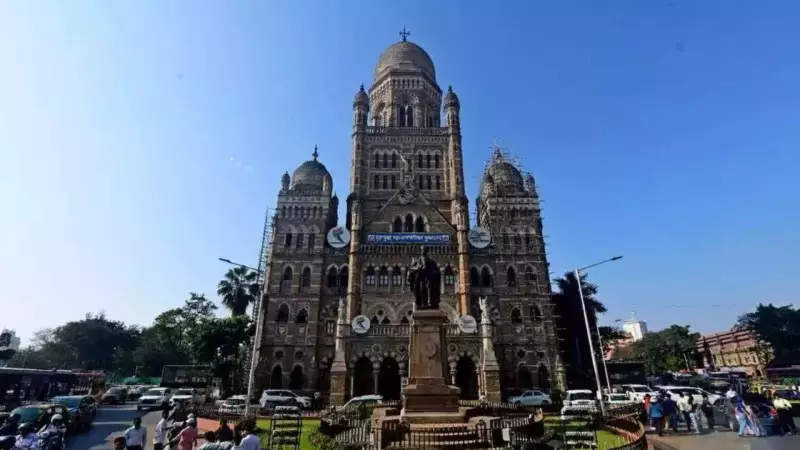
As Mumbai prepares for crucial civic elections, a damning report on the performance of the city's corporators in the final term of the Brihanmumbai Municipal Corporation (BMC) House has revealed widespread underperformance. The study, conducted by the Praja Foundation, evaluated corporators from the 2017-2021 period and found that a staggering majority failed to meet expectations.
Shocking Report Card for Mumbai's Corporators
The findings present a stark picture of civic accountability. Out of a total of 227 corporators, seven were excluded from evaluation due to holding the mayoral post or serving an incomplete term. The remaining 220 were graded, and the results were alarming.
Only two corporators managed to secure an 'A' grade, which requires a score between 80 and 100 marks. A slightly better, but still poor, 20 corporators fell into the 'B' grade category (70-80 marks). The vast majority—a shocking 198 elected representatives—received grades between 'C' and 'F', scoring below 70 marks. This means that a full 90% of the evaluated corporators performed below the average benchmark.

Declining Engagement and Systemic Failures
The report did not just look at final grades; it tracked concerning trends in participation and duty. Attendance in crucial committee meetings dropped significantly, from 82.15% in the 2017-18 period to 73.70% in 2019-20. This decline in engagement was noted even before the COVID-19 pandemic disrupted normal life.
Furthermore, there was a consistent year-on-year decrease in the number of civic questions raised by corporators in the House. The pandemic period saw continued low engagement, despite the availability of digital tools to facilitate remote participation.
The study pointed to deep-rooted, systemic weaknesses within the civic framework:
- Persistent underperformance across most municipal wards.
- A lack of robust monitoring mechanisms to track corporator activity and impact.
- Poor documentation and public disclosure of local civic outcomes and project statuses.
- Inefficiencies in utilizing the BMC's massive annual budget effectively.
- An urgent need for stronger, decentralised decision-making powers at the local level.
Voter Insights and Election Implications
With the election dates now announced, this report serves as a critical tool for Mumbai's voters. The State Election Commission has scheduled polling for the BMC and 28 other municipal corporations in Maharashtra for January 15, 2024. The results will be declared on January 16. The nomination process will run from December 23 to 30, with scrutiny on December 31. Candidates can withdraw by January 2, and election symbols will be allotted on January 3.
In this context, the Praja Foundation's data provides citizens with clear, evidence-based insights into the past performance of their representatives. It underscores the urgency for long-overdue reforms in Mumbai's governance model. Post-elections, there is a significant opportunity for citizens to demand greater transparency, including:
- Publicly accessible dashboards with corporator metrics.
- Mandatory and transparent attendance records.
- Clear outcome-based reporting on local area development.
Echoing the sentiment of many citizens, a civic activist stated that the report clearly indicates Mumbai's need for representatives who demonstrate real, measurable accountability to the people they serve.