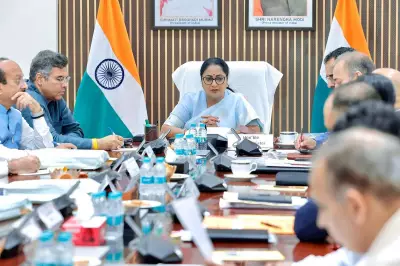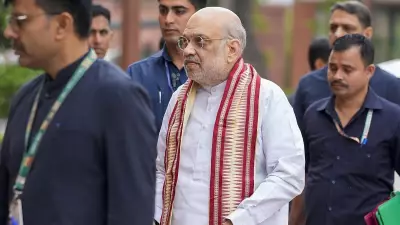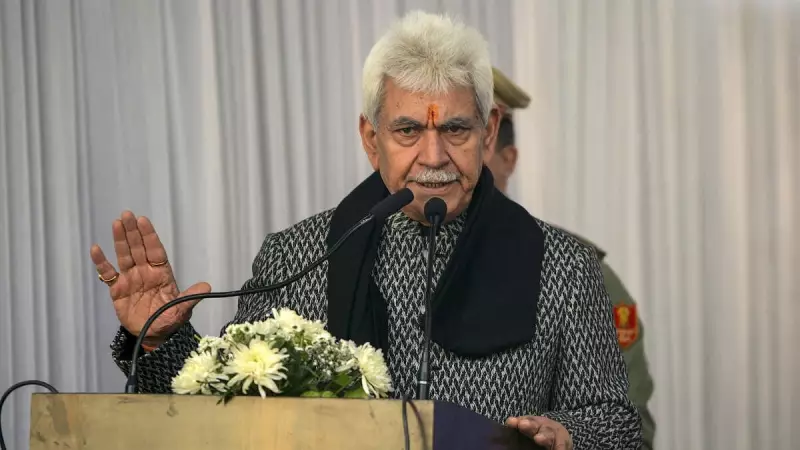
A significant rehabilitation drive in Jammu and Kashmir, strongly supported by Lieutenant Governor Manoj Sinha, has begun to positively reshape the lives of residents. The initiative, which gained momentum in late December 2025, is employing a novel collaborative approach to achieve its goals.
Partnership Model Drives Accelerated Progress
Officials closely involved with the program have highlighted that its core strength lies in a unique partnership-based framework. This model has successfully helped accelerate the pace of construction for rehabilitation projects across the region. By bringing together various stakeholders and resources, the administration has managed to streamline processes that were often delayed in the past.
Ensuring Accountability and Oversight
A crucial aspect of this drive is the balance between speed and governance. The partnership model is specifically designed to ensure robust administrative oversight at every stage. This careful monitoring guarantees that the construction and rehabilitation work meets set standards and reaches the intended beneficiaries effectively, preventing misuse of funds and resources.

The initiative, reported on 29 December 2025, represents a focused effort by the Jammu and Kashmir administration under the leadership of Lieutenant Governor Manoj Sinha. While specific numbers of beneficiaries or project locations are not detailed in the initial report, the emphasis is on the transformative impact of the program's methodology.
A New Chapter for Jammu and Kashmir
The launch of this rehabilitation drive marks a proactive step towards sustainable development in the Union Territory. By prioritizing a collaborative and accountable model, the administration aims to not just rebuild infrastructure but also restore and enhance the quality of life for the people. This approach is seen as a blueprint for future development projects in the region, focusing on efficiency and transparency.
The news underscores a shift towards implementation-driven governance in Jammu and Kashmir, where strategic partnerships are leveraged to achieve tangible results on the ground. The success of this model could set a precedent for other regions looking to execute large-scale social and infrastructure projects.