In response to a troubling series of pipeline bursts along the ongoing Kochi Metro corridor, the district administration has swung into action. Authorities have announced a comprehensive set of both immediate relief measures and long-term strategic plans. The goal is twofold: to swiftly restore normal water supply to affected residents and to prevent the recurrence of such damaging incidents during future construction phases.
Immediate Relief and Enhanced Coordination
The crisis prompted District Collector G Priyanka to convene an urgent meeting on Tuesday. Officials from Kochi Metro Rail Ltd (KMRL), the Kerala Water Authority (KWA), and the Kerala State Electricity Board (KSEB) were present, along with Thrikkakara MLA Uma Thomas. The directive was clear – all agencies must coordinate closely to avoid utility damage.
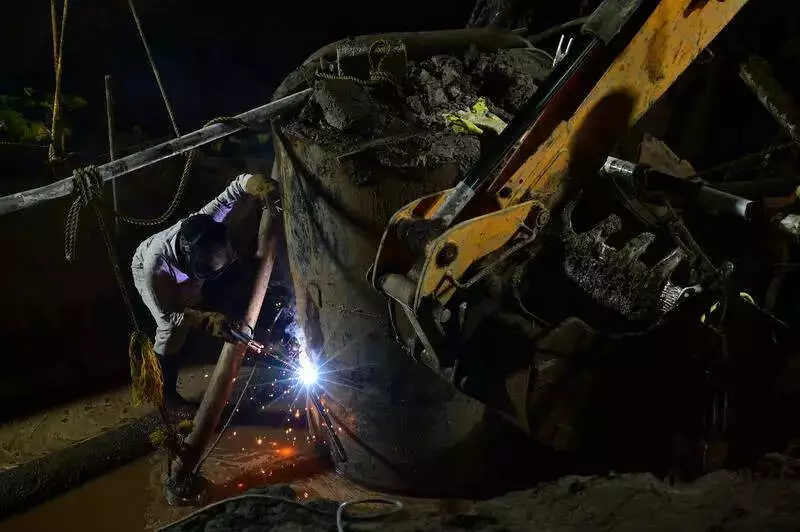
For immediate relief, KWA was instructed to complete all repair works by Tuesday night. To bridge the supply gap, authorities arranged for about 60 tanker loads of water to be supplied to the affected neighbourhoods. KMRL has also been tasked with arranging additional water supply via its own tanker trucks to support the effort.

Long-Term Preventive Measures Announced
Looking beyond the current crisis, the meeting yielded several key decisions aimed at systemic improvement. To prevent future bursts, KMRL has been ordered to carry out advance excavation along the Metro alignment. This is to precisely identify the location of all existing pipelines before starting major works like piling.
In a significant shift, KWA has been told to keep two sets of repair clamps ready at all times, instead of preparing them only after a burst occurs. This proactive step is expected to drastically cut down repair time. Furthermore, to improve real-time communication, a dedicated WhatsApp group has been formed. It includes representatives from local residents' associations and councillors, enabling authorities to receive instant updates on water needs and respond faster.
Pipeline Relocation and Technological Upgrade
A major long-term solution involves physically moving the vulnerable water pipeline. The district collector directed KWA to prepare a detailed project report for relocating its pipeline along the Palarivattom St Martin's Church–Jawaharlal Nehru Stadium stretch. The reason is critical: the Metro alignment for the Kakkanad extension runs dangerously close to the existing pipe. Once piling is done and concrete structures are cast, the pipeline could become permanently encased, making any future repairs impossible.
The pipeline will be shifted to the other side of the road, with KMRL instructed to fund this relocation using its Corporate Social Responsibility (CSR) allocation. However, to avoid compounding traffic woes, this relocation will only be executed after the Metro work in that section is complete.
Recognizing a technological gap, the administration also noted that KWA lacks modern equipment to trace pipelines without digging. Therefore, KMRL has been asked to provide financial support to KWA for procuring advanced detection technology. Similar instructions have been given to KSEB to relocate its underground cables wherever necessary.
Strict Protocols for Metro Contractors
To ensure utmost caution during ongoing construction, strict protocols have been established for KMRL's contractors. They have been mandated to remove earth and fully expose pipelines before commencing piling work. Additionally, they must obtain at least an oral no-objection certificate from KWA officials before starting any major construction activity in sensitive zones.
The collective measures signal a determined effort by Kochi's administration to tackle the infrastructure conflict head-on, balancing rapid urban development with the protection of essential civic services for its citizens.