

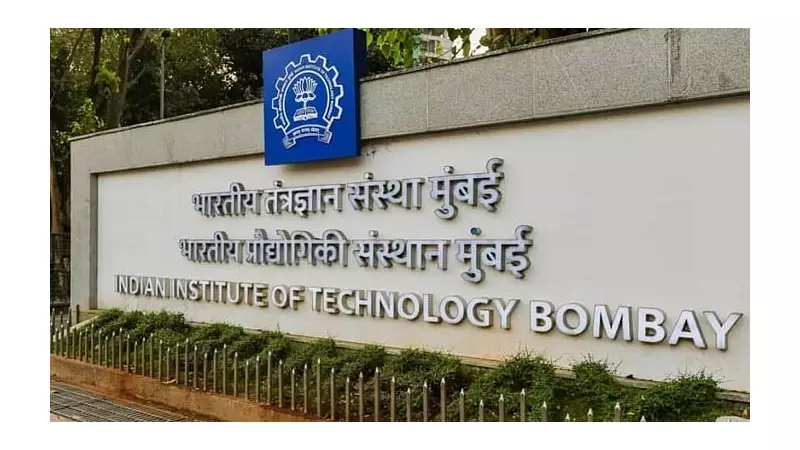
In a significant move to modernize its services and appeal to the younger generation, India Post has inaugurated its first-ever Gen Z post office. The unique facility has been set up within the prestigious campus of the Indian Institute of Technology (IIT) Bombay in Mumbai.
A Transformative Leap for India Post
The newly launched post office represents a transformative leap in public service delivery. Departing from the traditional image of postal departments, this outlet has been specifically designed with a cool, swanky, and youth-centric look and feel. The initiative aims to make postal and financial services more accessible and attractive to students and young adults, aligning with contemporary aesthetics and expectations.
Details of the Launch and Location
The landmark launch took place on 16 December 2025, as reported by Mrityunjay Bose. Choosing IIT Bombay as the location is a strategic decision to embed this modern service within a hub of young, tech-savvy individuals. The institute, located in Mumbai, Maharashtra, is renowned for its innovation, making it the perfect testing ground for this new concept.

The core idea behind the Gen Z Post Office is to rebrand the perception of India Post for a new demographic. The design and ambiance are expected to feature vibrant colors, digital interaction points, and a layout that resonates with the preferences of Generation Z.
Implications and Future of Postal Services
This launch signals India Post's serious intent to evolve and stay relevant in the digital age. By creating a space that feels more like a modern cafe or tech lounge than a government office, the department hopes to:
- Increase footfall among students and youth.
- Promote the use of postal banking and other financial services.
- Change the narrative around traditional postal services.
If successful, this model could be replicated in other university towns and youth-centric neighborhoods across India. It marks a pivotal step in bridging the gap between a venerable institution and the country's future leaders, proving that public services can innovate and adapt to changing times.






