

Delhi's Saheli Card Launch Marred by Technical Glitches and Lengthy Queues
In the bustling Saket area of New Delhi, a simple blue ink mark—219—etched onto a wrist symbolized hours of patient waiting. This number, hastily scribbled by a guard outside the sub-divisional magistrate's office on a Friday afternoon, secured a place in the queue for Delhi government's Saheli card. This new pass is set to replace the traditional pink paper tickets that have enabled women to travel free on city buses for years.
For the women standing in line, these numbers represented a small victory in an arduous process. The journey to obtain them was already fraught with challenges, highlighting systemic issues in the rollout of this much-anticipated scheme.
A Potential Catch-22 in the Transition System
A significant concern has emerged regarding Delhi's shift from paper pink tickets to the digital Saheli card. Under the new system, once a Saheli card is swiped on a bus, it cannot be used again for 60 minutes. This rule poses a dilemma for women who rely on two or more connecting buses to reach their destinations. They may face a choice between waiting out the cooldown period or paying for subsequent rides.

Currently, this problem is partially obscured as free paper tickets continue to be issued alongside the cards. However, once the Saheli card becomes the exclusive mode of free travel on Delhi's public buses, thousands of women commuters—particularly domestic workers and daily wage earners—could be adversely affected.
To verify the system's functionality, a reporter queued for hours at a distribution center to acquire a card and later tested it on multiple buses across the city. The restriction proved to be real, with the card failing to work on a second bus within the 60-minute window.
Enduring Long Queues and Server Failures
Upon arriving at the SDM office around noon, the reporter encountered a lengthy line snaking through the compound. The queue comprised mostly women from lower-income backgrounds, including domestic workers, daily wage earners, elderly individuals, and students. Some had brought children along, while a few husbands stood nearby offering support.
As hours passed, the line grew rather than diminished. Women shared stories of arriving early in the morning, with some on their third day of attempting to obtain a card. Conversations touched on past experiences with long queues during demonetization and Covid lockdowns, with many expressing nostalgia for the simpler pink ticket system.
The process was further hampered by server glitches, stretching what should have been a two-minute registration into waits exceeding five hours. Officials cited issues with OTP deliveries and phone number mismatches, causing significant inconvenience, especially for working women and the elderly.
Stories from the Line: Personal Struggles and Shared Bonds
Amid the wait, personal narratives emerged. Kiran, a helper at a women's PG in Saket, had been standing since 7 a.m. without receiving a number. Suman, a homemaker attending satsang gatherings, was on her third day at the center. Kavita Devi, a domestic worker, had taken leave from her job, anxious about the slow progress.
Women coordinated with family members for childcare and worried about tardiness at work. An informal pact formed among strangers to safeguard their spots in line, highlighting a sense of camaraderie in adversity. Basic amenities were lacking, with no drinking water available and washrooms deemed unusable, forcing some to improvise access to facilities.
Official Announcements and Frustrations
After hours of waiting, the reporter's number—219—was finally recorded, but relief was short-lived. A guard soon announced that no more cards would be issued that day, instructing people to return tomorrow or on Sunday. The crowd erupted in protest, with voices rising from every corner expressing frustration over wasted time and family responsibilities.
By 3:30 p.m., the process had effectively halted, with officials blaming server issues and advising people to leave. Even those whose names had been registered were told to repeat the entire process the next day, leading many to abandon hope.

Day Two: Persistence and Partial Success
Returning the next morning before the gates opened, the reporter found nearly a hundred women already waiting. After another hour of queuing, the Saheli card was finally issued in a swift two-minute OTP confirmation process.
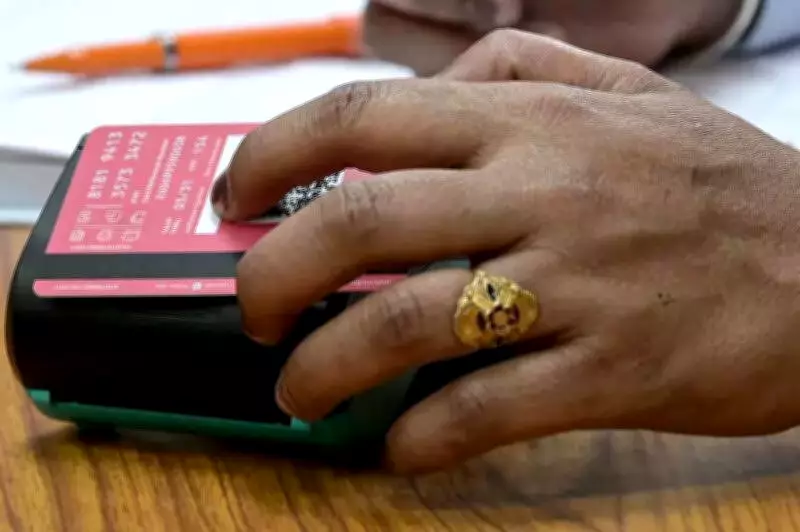
Testing the card on buses revealed operational challenges. A conductor warned about the 60-minute rule, and on a second bus, the card failed to read due to machine issues, necessitating an old pink ticket instead. By the third bus, after the cooldown period had passed, the card functioned properly.
The Looming Dilemma for Daily Commuters
Once pink paper tickets are phased out, the 60-minute gap between swipes could create significant hurdles for women dependent on multiple buses. For instance, a commuter traveling from Bhati Mines to GK via two buses might face waits of 30-40 minutes or incur costs up to Rs 25 per ticket—a burden for many.
While the reporter had the option of alternative transport like cabs or autos, this luxury is unavailable to most women in the queue, underscoring socioeconomic disparities.
Government Response and Future Plans
According to government data, over 90,000 Saheli cards have been issued since registration began on March 2, with a peak distribution of 10,289 cards on a Saturday. Officials clarified that the 60-minute moratorium is intended for the same bus to prevent revenue loss, not necessarily for connecting buses, and may be adjusted based on feedback after a review in late May.
Jitender Yadav, Managing Director of Delhi Transport Corporation, emphasized that the rule aims to avoid multiple taps on the same bus. However, the reporter's experience contradicted this, with the card failing on a second bus within the lock period.
On server issues, officials attributed delays to mobile OTP and UIDAI authentication, citing external dependencies. They ruled out online registration to ensure authenticity but hinted at a potential QR code system for those without cards.
As Delhi navigates this transition, the Saheli card rollout highlights broader challenges in public transport accessibility, technical infrastructure, and equitable policy implementation for women commuters.





