In a decisive move to tackle the severe air pollution crisis, the Delhi government has issued a directive limiting the number of employees physically attending private offices to a maximum of 50%. This measure is a key component of the Stage IV restrictions under the Graded Response Action Plan (GRAP).
What the New Advisory Mandates
The advisory, officially released by the Delhi Labour Department on 17 December 2025, makes it compulsory for all private offices and establishments in the national capital to ensure that no more than half of their workforce is present on-site at any given time. The remaining staff are expected to work from home. This step follows crucial amendments made to the GRAP framework by the Commission for Air Quality Management (CAQM).
The CAQM's revisions came after a series of hearings and consultations held throughout November 2025. The commission concluded that reducing vehicular and associated emissions from daily commutes is essential during periods of critically poor air quality. The government has explicitly stated that violations of this 50% attendance cap will attract punitive action, although the specific nature of the punishment for violations is detailed in the official order.

Context and Rationale Behind the Rule
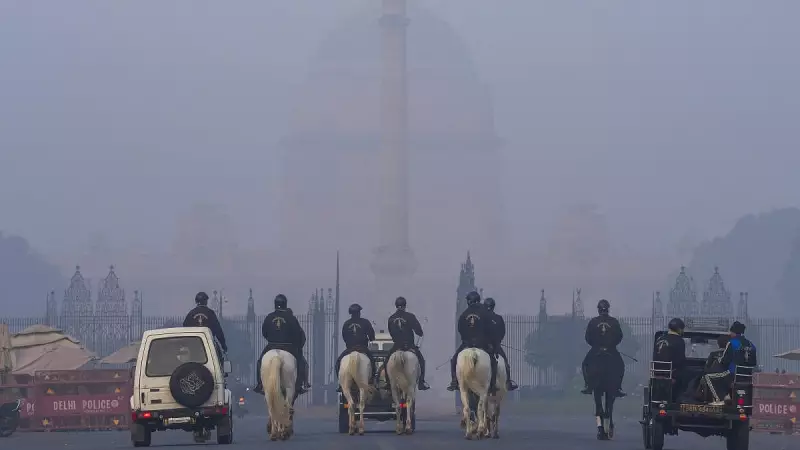
The activation of GRAP Stage IV signifies that the air quality in the Delhi-NCR region has deteriorated to the "severe plus" category. At this level, emergency measures are required to protect public health and prevent further degradation. Restricting physical attendance in workplaces is seen as a direct method to reduce the volume of traffic on the roads, thereby cutting down on pollution from vehicles.
This is not the first time such a measure has been implemented, but the current directive provides a clear and enforceable mandate for the private sector. The Labour Department's advisory serves as an official communication to all corporate entities, instructing them to adjust their operational protocols immediately to comply with the new norm.
Implications for Businesses and Employees
The immediate effect of this order is a significant shift back to hybrid work models for Delhi's corporate workforce. Companies are required to swiftly reorganize schedules, roster management, and IT infrastructure to support large-scale remote work. For employees, this means a return to the work-from-home arrangements that were prevalent during earlier phases of environmental and health crises.
The success of this measure hinges on strict compliance. The threat of punishment for violations is intended to ensure that businesses take the directive seriously. While providing relief to the environment, the rule also aims to safeguard the health of citizens by minimizing their exposure to the toxic outdoor air. The government's action underscores the increasing use of regulatory tools to manage urban environmental emergencies, placing a shared responsibility on both the public and private sectors.