

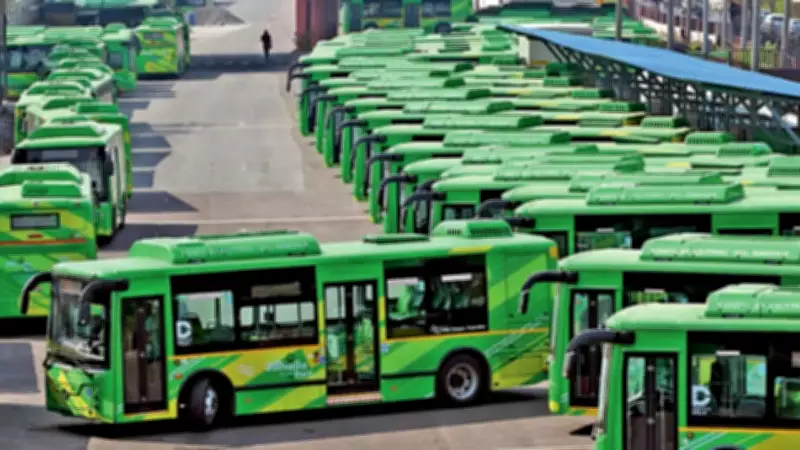
Delhi Bus Ridership Sees Sharp 20% Decline Despite Fleet Growth
Ridership on buses operated by the Delhi Transport Corporation (DTC) and under the cluster scheme, among the city's most affordable commute options, has experienced a significant drop since 2019-20. This decline comes even as the overall bus fleet has expanded, according to data from the Economic Survey 2025-26.
Steep Drop in Passenger Numbers Across Systems
In 2019-20, DTC and cluster buses together carried over 51 lakh passengers daily. By 2024-25, this figure fell to approximately 40.8 lakh, representing a decline of nearly 20%. The reduction is evident across both transport systems.
DTC's daily ridership decreased from 33.4 lakh to 25.6 lakh, marking a fall of over 23%. Similarly, cluster buses saw their ridership decline from 17.71 lakh to 15.3 lakh, a drop of about 14%.

Fleet Expansion Amid Falling Ridership
In contrast to the ridership decline, the combined fleet size of DTC and cluster buses marginally increased from 6,672 to 6,966 buses over the same period. The number of DTC buses rose from 3,762 in 2019-20 to 3,819 in 2024-25, while cluster buses registered a sharper rise from 2,910 to 3,147.
Experts Highlight Counterintuitive Trends and Inefficiencies
Transport experts point out that this trend is counterintuitive, considering Delhi's population growth and government policy interventions aimed at boosting ridership. The Delhi government introduced free bus travel for women in 2019, a move expected to significantly increase ridership.
Transport expert Anil Chikkara commented, "Merely increasing the size of a fleet does not work. Passengers often have to change two or three buses, so interchange points must be designed to minimize waiting times. Previously, locations like Karol Bagh, Azadpur, Raja Garden, and Jantar Mantar served as popular terminal points with good connectivity to other routes."
He added, "Providing student passes or free rides for women are insufficient on their own. The passenger information system is weak—commuters don't know when the next bus will arrive. Timing is crucial for everyone. Even if bus rides are free, it doesn't matter if people cannot reach their offices on time. Additionally, discussions about modernizing bus shelters have not translated into ground-level improvements."
Government Response and Shift to Electric Buses
Transport Minister Pankaj Singh addressed the issue, stating, "A large number of CNG buses became overaged suddenly, but the previous government had no plan to counter this by purchasing enough electric buses. Since we took office last year, we have increased the number of e-buses."
From just two in April 2021, the e-bus fleet in the capital expanded to 1,686 in April 2025 and currently stands at 4,338. The minister expressed optimism, saying, "Our revenue from DTC has also increased compared to past years. You will see ridership rising in the coming years."
Positive Indicators and Infrastructure Improvements
Despite the challenges, some DTC indicators show improvement. Accidents involving its buses declined from 118 in 2019-20 to 73 in 2025-26. Inter-state connectivity has expanded, with bus routes increasing from seven to 15.
On the transport infrastructure front, the number of bus depots in the city has risen from 35 to 44, largely to support charging and operating e-buses.






