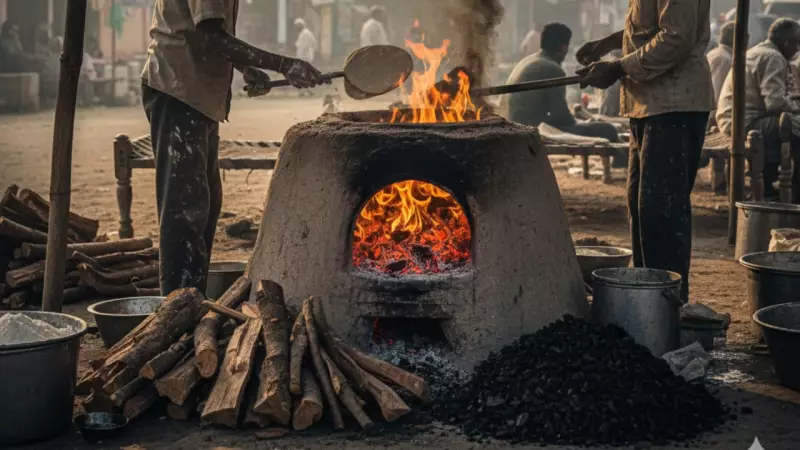
In a decisive move to tackle the capital's persistent air pollution crisis, the Delhi Pollution Control Committee (DPCC) has imposed a stringent ban on the use of coal and firewood in tandoors across all hotels, restaurants, and open eateries in the city. The directive mandates an immediate shift to electric, gas-based, or other approved clean-fuel appliances.
Legal Mandate and Pollution Context
The order has been issued under Section 31(A) of the Air (Prevention and Control of Pollution) Act, 1981. This action comes as Delhi continues to record Air Quality Index (AQI) levels consistently above the prescribed safety standards. The DPCC's directive aligns with the existing measures under the Graded Response Action Plan (GRAP), where banning coal and firewood in tandoors is a stipulated Stage-I action to reduce harmful emissions.
The committee has formally referenced the Commission for Air Quality Management's approved fuel list from June 2022 and its modified GRAP order dated November 21, 2023. These documents underscore the critical need for enforcement agencies to ensure complete compliance, especially during the current period of intensified pollution control efforts.

Enforcement and Immediate Actions
The DPCC has directed all urban local bodies, including commissioners and chief engineers of municipal corporations, to conduct rigorous inspections. Their primary task is to ensure the immediate discontinuation of coal and firewood use in all food establishments within their jurisdiction.
The order leaves no room for exceptions, explicitly stating that eateries may only operate tandoors powered by electricity or gas. The directive has been communicated for urgent implementation via speed post and email to all relevant departments, with the approval of the competent authority.
Why This Ban Matters for Delhi's Air
This crackdown targets a significant and localized source of pollution. Coal-based cooking in commercial tandoors has been identified as a notable contributor to particulate matter and other pollutants in Delhi's already burdened atmosphere. By forcing a transition to cleaner fuels, authorities aim to cut emissions at the source, providing a direct, if incremental, benefit to air quality in surrounding areas.
The ban represents a focused enforcement of long-standing rules, highlighting the administration's push to leverage every possible measure under the GRAP framework as the city grapples with hazardous air levels. The success of this initiative now hinges on consistent ground-level inspections and strict adherence by thousands of food businesses across the national capital.