In a high-tech crackdown on public littering, the Dehradun Municipal Corporation (DMC) has launched drone surveillance across the city. The initiative specifically targets garbage-vulnerable points (GVPs) and unauthorised dump sites, aiming to catch violators in real time and take strict action.
Mapping the Garbage Crisis: 88 Points and Counting
The civic body identified a troubling 88 GVPs in 2024. These are public spots where waste is routinely dumped, leading to persistent and growing mounds of garbage. While officials claim success in clearing eight such points, including one on Nashville Road, the overall number of problem sites continues to rise, creating significant challenges for both residents and city administrators.
Eco-activist and Race Course resident Naveen Kumar Sadana highlighted the recurring nature of the issue. He pointed out that despite previous clean-up drives, like the one near Bannu School, garbage has returned. "New spots are emerging every day, like the one near the new green building site," Sadana stated. Similar complaints have flooded in from areas including Rajpur, Subhash Road, GMS Road, and Dalanwala.

How the Drone Surveillance Pilot Project Works
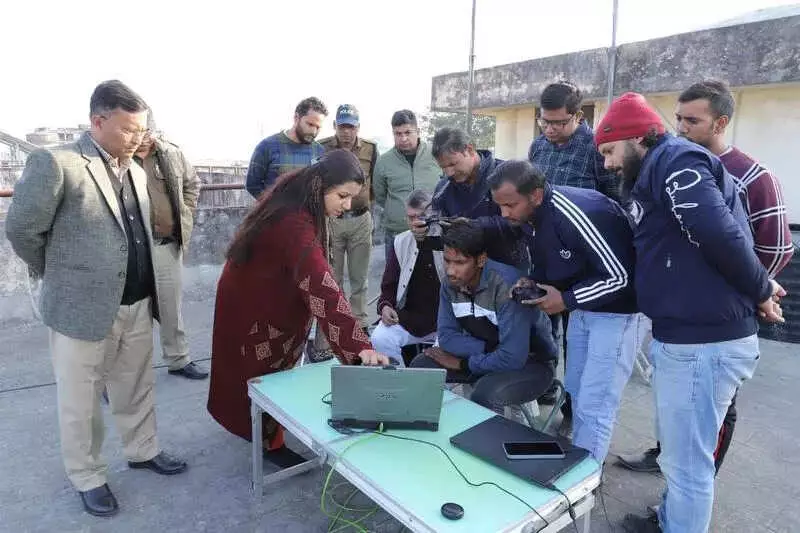
The drone-monitoring pilot project is currently operational for one month across 15 wards. Outsourced to a third-party agency, the drones operate within a 10 km radius for four hours daily. This live monitoring is a response to previous delays in information about waste piles, which slowed collection efforts. The corporation now hopes for greater speed, transparency, and effectiveness.
Municipal Commissioner Namami Bansal explained the process: "We are documenting incident alerts, identifying littering patterns, and spotting repeat offenders. In this first week, we are focusing on recording these trends and determining those responsible." The drones are equipped to capture vehicle numbers, and identified offenders will face strict penalties. Monitoring will also extend to vehicle movement at the mechanised transfer station in Kargi Chowk.
Immediate Action and Expected Outcomes
According to health officials, alerts from the drones are being addressed immediately. Sanitation inspectors are deployed on priority to clear waste as soon as it is flagged. The initiative is expected to bring multiple benefits:
- Strengthen city sanitation through prompt response.
- Save time and resources by targeting problem areas precisely.
- Improve overall operational efficiency via integrated technology.
The DMC's move represents a modern, tech-driven approach to an age-old urban problem. By leveraging real-time aerial data, the civic body aims to not just clean existing messes but also deter future violations, fostering a cleaner and more accountable environment for Dehradun's residents.