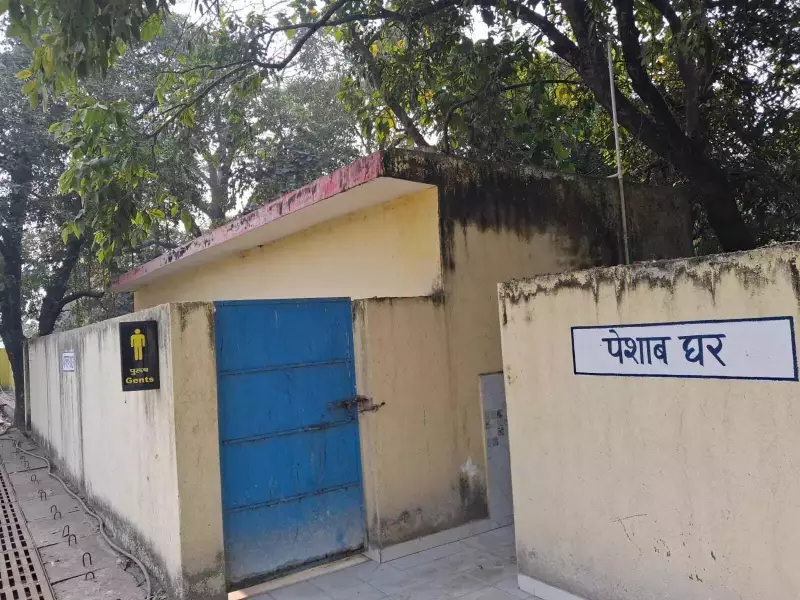
Passengers, especially women, at Daltonganj railway station in Jharkhand are facing severe inconvenience as the only public toilet facility on platform number 1 has remained locked and non-functional for over a year and a half. The twin toilets, built separately for men and women, have been rendered useless due to a shocking lack of basic water and electricity connections.
A Project Handover in Limbo
The root of the problem lies in an incomplete handover process. Senior section engineer (works) Anil Kumar revealed that the Rail Vikas Nigam Limited (RVNL), the agency responsible for constructing these toilets, has not formally handed them over to the railway station authorities even after approximately 18 months since their construction. "There is an overhead water tank," Kumar explained, "However, there is no water connection yet. Similarly, the lack of an electricity connection has rendered the toilet non-usable for passengers."
Passenger Anguish and Official Promises
The absence of this facility creates a major hardship for common passengers. Other toilets are located inside the paid waiting hall or the first-class passenger lounge, making this twin-block the lone free facility for the general public. Situated at the Chiyanki end of the platform, its closure forces passengers to seek alternatives or endure discomfort.

Station Superintendent Umesh Kumar acknowledged the daily complaints from travelers. When pressed about the increased suffering of women and girls during the winter months, Engineer Anil Kumar stated, "We will try to make it functional by the end of this month." This promise offers a glimmer of hope for a resolution to the prolonged issue.
Broader Implications for Rail Infrastructure
This incident highlights a critical gap in the coordination between construction agencies and operational railway divisions. The delay in providing essential utilities like water and power points to a larger systemic issue where completed infrastructure projects fail to become operational, directly impacting public service. The 18-month delay raises questions about accountability and the efficiency of project commissioning processes within the Indian railway ecosystem.
For now, the people of Daltonganj and countless travelers passing through the station await the fulfillment of the railway officials' latest assurance, hoping for a swift restoration of this basic yet vital amenity.