

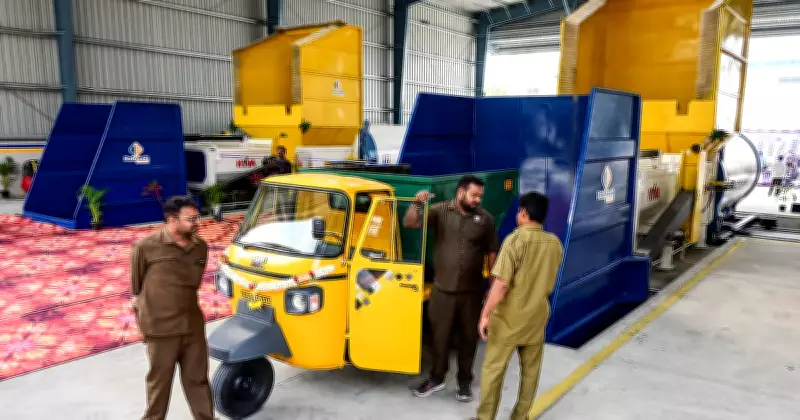
Bengaluru's Strategic Overhaul of Waste Transfer Infrastructure
The city of Bengaluru is embarking on a significant reorganization of its waste transfer system, aiming to enhance efficiency and sustainability in urban waste management. This initiative is part of a broader effort to address the growing challenges of municipal solid waste in one of India's largest metropolitan areas.
Operational Transfer Stations: A Foundation for Change
So far, the waste management agency has successfully operationalized three key transfer stations located in strategic areas across the city. These include stations in Koramangala, Chamarajpet, and Sarvagna Nagar. Each of these facilities is designed to handle substantial volumes of waste, contributing to a more streamlined collection and processing workflow.
The primary function of these transfer stations is to serve as intermediate hubs where waste from local collection points is consolidated before being transported to larger disposal or recycling facilities. This approach helps reduce transportation costs, minimize traffic congestion, and improve overall operational efficiency.

Capacity and Impact: Managing 150 Tonnes of Waste
Collectively, the operational transfer stations are meant to handle approximately 150 tonnes of waste daily. This capacity is crucial for managing the city's waste output, which has been increasing due to population growth and urbanization. By centralizing waste transfer at these points, Bengaluru aims to:
- Enhance waste segregation and processing capabilities.
- Reduce the environmental impact of waste transportation.
- Improve public health and sanitation standards.
Ongoing Expansion: Work in Progress Across Constituencies
In addition to the operational stations, work is actively underway in several other constituencies to expand the waste transfer network. Key areas under development include Vijayanagar and Shivajinagar, where new transfer stations are being constructed or upgraded. This expansion is expected to further bolster the city's waste management infrastructure, ensuring broader coverage and increased capacity.
The ongoing projects reflect Bengaluru's commitment to a phased implementation strategy, allowing for continuous improvement and adaptation based on operational feedback and changing needs. Authorities are focusing on integrating these stations into the existing waste management ecosystem, with plans for potential future expansions in other parts of the city.
Future Prospects and Challenges
As Bengaluru moves forward with this reorganization, several challenges and opportunities lie ahead. The success of the waste transfer system will depend on factors such as community participation, technological integration, and sustainable funding models. However, the current progress indicates a positive trajectory towards more effective waste management.
By leveraging these transfer stations, Bengaluru hopes to set a benchmark for other Indian cities grappling with similar waste management issues. The initiative underscores the importance of innovative urban planning in addressing environmental concerns and improving quality of life for residents.






