

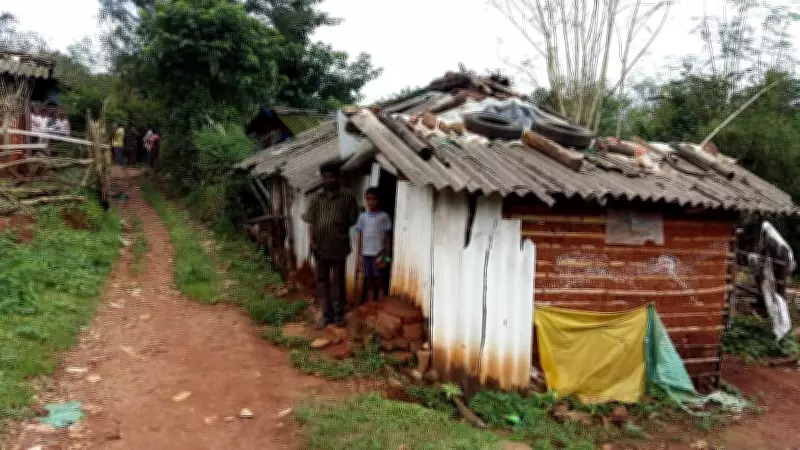
Wildlife Conflicts Intensify Rehabilitation Delays in Kudremukh Region
Families residing in the Kudremukh area of Karnataka are confronting increasingly severe delays in their rehabilitation processes, a situation now exacerbated by rising wildlife conflicts. This complex issue intertwines environmental conservation efforts with human welfare concerns, creating a challenging scenario for local communities and authorities alike.
Legal Framework and Fund Utilization Challenges
Under Section 5(2) of the Compensatory Afforestation Fund Rules, rehabilitation is explicitly listed among the thirteen permissible activities for utilizing funds collected from agencies responsible for diverting forest land. These funds are intended to mitigate the ecological impact of such diversions by supporting various conservation and community-oriented initiatives.
However, the escalating incidents of wildlife conflicts in the region are significantly hindering the effective deployment of these resources. The increased presence of wild animals near human settlements has not only raised safety concerns but also complicated the logistical and planning aspects of rehabilitation projects.

Impact on Local Communities
The delays in rehabilitation are having profound effects on the affected families, many of whom have been awaiting resettlement for extended periods. The combination of bureaucratic hurdles and now environmental factors is creating a sense of uncertainty and frustration among residents.
Key issues reported include:- Heightened risks to human safety from wildlife encounters
- Disruption of agricultural activities and livelihoods
- Psychological stress and anxiety among community members
- Complications in identifying and preparing suitable rehabilitation sites
Broader Implications for Conservation Policy
This situation highlights the delicate balance required between wildlife protection and human development in forested regions. The compensatory afforestation funds, while designed to address ecological damage, must also adequately consider the welfare of displaced communities.
Experts suggest that the increasing wildlife conflicts may be linked to habitat fragmentation and changing ecological patterns in the region. This adds another layer of complexity to rehabilitation efforts, requiring more comprehensive planning that addresses both immediate human needs and long-term conservation goals.
The Karnataka government faces mounting pressure to develop solutions that reconcile these competing priorities. Potential approaches being discussed include enhanced wildlife management strategies, improved conflict mitigation measures, and more efficient allocation of compensatory funds to accelerate rehabilitation while ensuring environmental protection.
As the situation continues to evolve, stakeholders emphasize the need for collaborative approaches involving local communities, conservation experts, and government agencies to find sustainable solutions that address both human welfare and wildlife conservation in the Kudremukh region.






