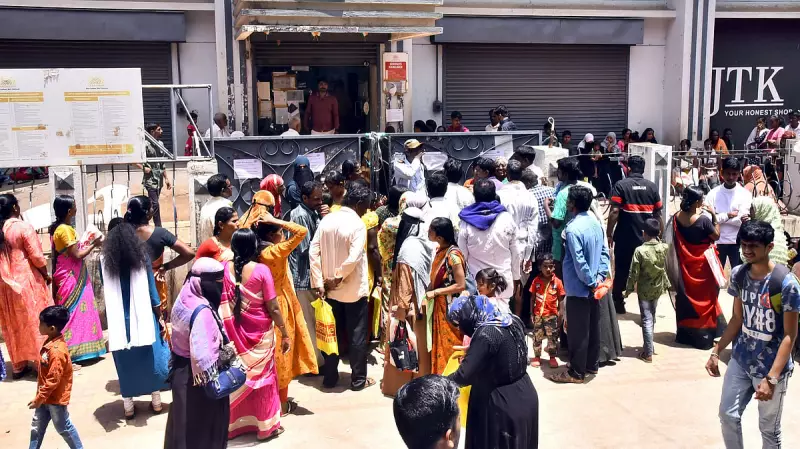
The sudden closure of dedicated Aadhaar Seva Kendras (ASKs) in several major urban centres across Karnataka has created significant hurdles for residents seeking essential identity document services. The move has impacted key operations like biometric updates, demographic corrections, and other Aadhaar-related modifications.
What Led to the Service Disruption?
These specialized kendras were established by the Unique Identification Authority of India (UIDAI) to provide focused services beyond the scope of ordinary enrolment centres. They were operational in six major cities within the state, catering to a high volume of requests. Crucially, these centres were managed and run by private service providers under the authority's mandate. The reported closure of these privately-operated outlets has directly led to the current service gap, leaving many citizens in the lurch.
Impact on Citizens and Essential Services
The absence of these dedicated kendras means residents now have fewer accessible options for time-sensitive Aadhaar work. This disruption affects a wide range of necessities, from linking the Aadhaar card to bank accounts and mobile numbers to correcting critical personal details like name, date of birth, or address. For many, these updates are mandatory for availing government subsidies, filing taxes, or completing official KYC formalities. The bottleneck could potentially delay important financial and administrative processes for thousands.

Looking for Solutions and Alternatives
While the exact reasons for the closure of these private kendras are detailed in the original report dated 07 December 2025, the immediate concern is the availability of alternatives. Citizens are now likely forced to rely on permanent enrolment centres in post offices or banks, which may have longer wait times or limited capacity for specific update services. The situation underscores the dependency on streamlined Aadhaar services in daily civic life and highlights the need for a swift resolution, whether through reviving the ASK model or augmenting services at other existing centres.
The development serves as a critical reminder of the importance of robust public service infrastructure for digital identity management. Stakeholders will be watching for an official response from the UIDAI or state authorities regarding plans to restore seamless Aadhaar service access for Karnataka's urban population.