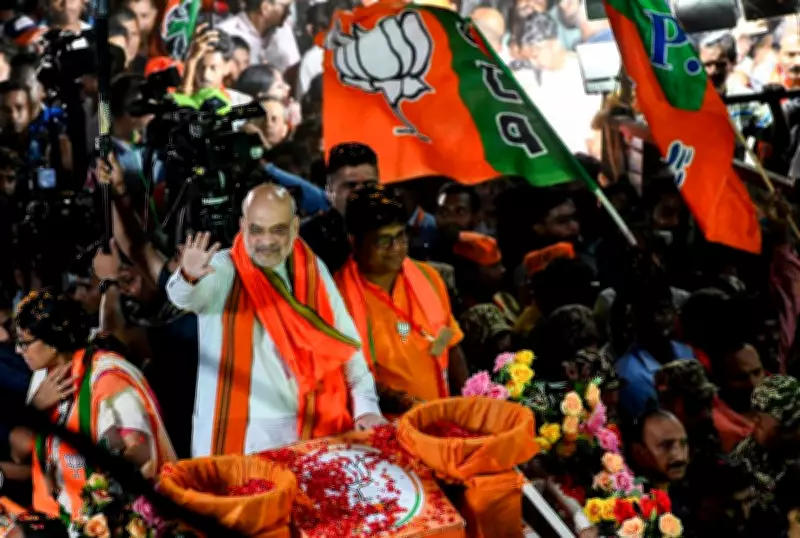
The Bharatiya Janata Party (BJP) is witnessing a notable surge in urban areas of West Bengal, posing a formidable challenge to the ruling Trinamool Congress (TMC) ahead of the 2026 assembly elections. This shift is driven by a combination of development-focused campaigns and growing anti-incumbency sentiments among city dwellers.
Factors Behind the Urban Shift
Several factors contribute to the BJP's rising popularity in urban constituencies. The party has effectively leveraged its national image and promises of infrastructure development, job creation, and improved governance. Additionally, dissatisfaction with the TMC's handling of local issues, such as traffic congestion, waste management, and bureaucratic red tape, has fueled support for the BJP.
Key Urban Centers
Major cities like Kolkata, Howrah, and Siliguri have become battlegrounds where the BJP is aggressively campaigning. In the 2021 assembly elections, the BJP managed to win several urban seats, and party leaders are confident of expanding this base. The TMC, however, remains strong in rural areas and among minority communities, but the urban drift is a concern.

Electoral Implications
Political analysts suggest that if the BJP can consolidate its urban gains, it could significantly reduce the TMC's majority in the 2026 elections. The TMC is countering with welfare schemes and local leadership, but the BJP's central leadership and organizational machinery are proving effective.
As the electoral battle intensifies, both parties are focusing on urban voters. The outcome will likely hinge on which party can better address the aspirations and grievances of the urban middle class and youth.