

US Congressional Report Unveils Pakistan's Deep-Rooted Terror Network
A US Congressional research report, dated March 25, has once again spotlighted Pakistan's enduring support for terrorist organizations, painting a stark picture of the country as a hub for numerous armed and extremist groups. The report underscores that many of these entities have been active since the 1980s, operating with impunity from Pakistani soil.
Categorization and Designation of Terror Groups
According to the findings, these groups are classified into various categories: globally focused, Afghanistan-oriented, India-focused, domestic, or sectarian. Twelve of them are officially designated as Foreign Terrorist Organizations under US law, with most adhering to Islamist extremist ideologies. Despite extensive military operations, including airstrikes and hundreds of thousands of intelligence-based actions, Pakistan has failed to dismantle these networks, allowing groups sanctioned by the US and United Nations to persist.
Key Terrorist Organizations Based in Pakistan
The report identifies several prominent groups, such as:

- Lashkar-e-Taiba: Formed in the late 1980s and designated a terrorist organization in 2001, it is led by Hafiz Saeed and operates from Pakistan's Punjab province and Pakistan-occupied Kashmir. It later rebranded as Jamaat-ud-Dawa to evade sanctions and was responsible for the 2008 Mumbai attacks, among other incidents.
- Jaish-e-Mohammed: Founded in 2000 by Masood Azhar and also designated in 2001, it has around 500 fighters active across India, Afghanistan, and Pakistan.
- Other groups like Harakat-ul Jihad Islami, Harakat ul-Mujahidin, and Hizbul Mujahideen are also cited as operating from Pakistan.
The report further mentions The Resistance Front, believed to be linked to Lashkar-e-Taiba, which carried out the Pahalgam attack killing 26 people and has been declared a global terrorist organization.
India's Military Response and Escalation
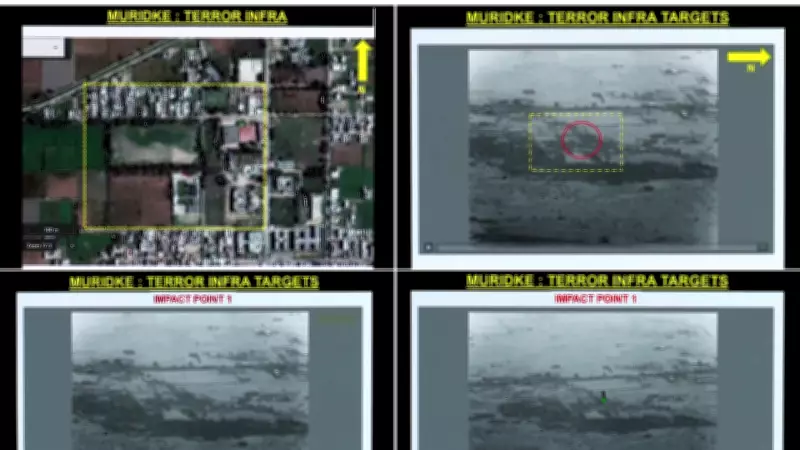
In response to the Pahalgam attack, India launched Operation Sindoor in May 2025. The Indian Armed Forces executed coordinated strikes on nine terrorist camps in Pakistan and Pakistan-occupied Kashmir, resulting in the deaths of over 100 militants, trainers, and associates. Officials emphasized that the strikes targeted groups like Jaish-e-Mohammed, Lashkar-e-Taiba, and Hizbul Mujahideen while minimizing civilian casualties.
On May 10, Pakistan retaliated by targeting Indian air force bases, army depots, airports, and military areas using missiles and drones. However, India's advanced air defence and counter-drone systems successfully intercepted these attacks, preventing any significant damage.
India then conducted strikes on Pakistani airbases, command centres, and defence systems along the western front. Key bases hit included Chaklala, Sargodha, Rafiqui, Rahimyar Khan, Jacobabad, Sukkur, and Bholari.
Ceasefire Agreement and Ongoing Concerns
Following this escalation, Pakistan's director general of military operations contacted his Indian counterpart on May 10 to seek a halt in fighting. Formal talks were held on May 12, leading to an agreement from both sides to cease military operations. Despite this temporary de-escalation, the latest US report reinforces persistent concerns that Pakistan's links to terrorist groups remain active and unresolved, validating India's long-held position on the matter.






