

High-Level Diplomatic Mission: Saudi, Egyptian, Turkish Foreign Ministers to Visit Pakistan
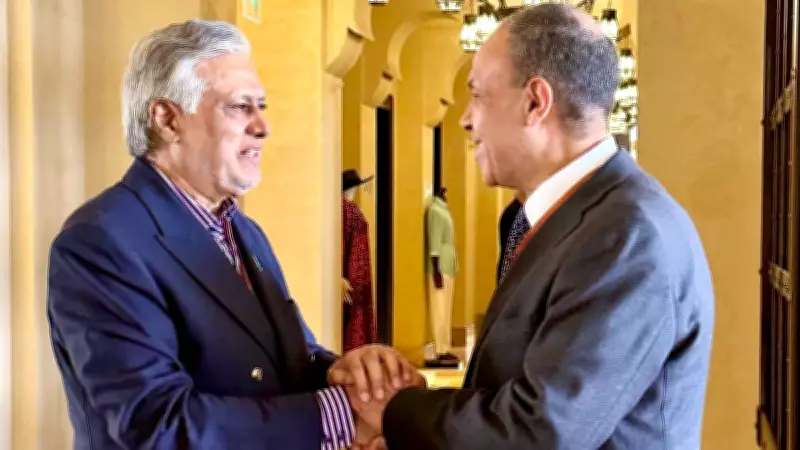
In a significant diplomatic development, the foreign ministers of Saudi Arabia, Egypt, and Turkiye are scheduled to visit Pakistan for high-level talks focused on the volatile situation in West Asia. The announcement was made by Pakistan's Deputy Prime Minister, who emphasized the country's commitment to resolving ongoing regional disputes with "honesty and sincerity." This visit underscores Pakistan's active role as a potential mediator in one of the world's most geopolitically sensitive regions.
Pakistan's Mediation Efforts Gain Momentum
Pakistan has been intensifying its diplomatic outreach to address the complex conflicts in West Asia, which involve multiple state and non-state actors. The upcoming visit by the foreign ministers of these key Middle Eastern nations highlights Islamabad's growing influence and trust among regional powers. The discussions are expected to cover a wide range of issues, including security concerns, economic cooperation, and strategies for de-escalating tensions that have plagued the area for decades.
Deputy Prime Minister Ishaq Dar confirmed the visit via a social media post, stating, "Looking forward to welcoming my brother Foreign Ministers of Saudi Arabia, Türkiye, and Egypt to Islamabad." This statement reflects the personal rapport and diplomatic warmth that Pakistan aims to leverage in facilitating dialogue. The inclusion of Egypt, a major Arab state, alongside Saudi Arabia and Turkiye, indicates a broad-based approach to regional peacemaking.

Strategic Importance of the Visit
The convergence of these foreign ministers in Islamabad is not merely symbolic; it represents a strategic alignment of interests. Saudi Arabia and Egypt are pivotal players in the Arab world, while Turkiye holds significant influence in both Middle Eastern and Eurasian affairs. Pakistan's unique position, with historical ties to all three countries, positions it as an ideal venue for such multilateral discussions.
Analysts suggest that this visit could pave the way for more structured peace initiatives, potentially involving other stakeholders in West Asia. The timing is crucial, as regional dynamics continue to shift amid ongoing conflicts and economic pressures. Pakistan's role as a neutral party, free from direct involvement in West Asian disputes, enhances its credibility as a facilitator.
Broader Implications for Regional Stability
This diplomatic engagement comes at a time when West Asia faces multifaceted challenges, including territorial disputes, proxy wars, and humanitarian crises. The involvement of Pakistan, a nuclear-armed state with a large Muslim population, adds a new dimension to regional diplomacy. The talks are likely to address:
- Mechanisms for conflict resolution and confidence-building measures.
- Economic partnerships and investment opportunities to foster stability.
- Coordinated efforts to combat terrorism and extremism in the region.
- Humanitarian aid and reconstruction plans for conflict-affected areas.
The outcome of these discussions could have far-reaching effects, not only for West Asia but also for global geopolitics. As Pakistan continues to assert its diplomatic presence, this visit marks a critical step in its foreign policy agenda, aimed at promoting peace and cooperation in a troubled region.






