

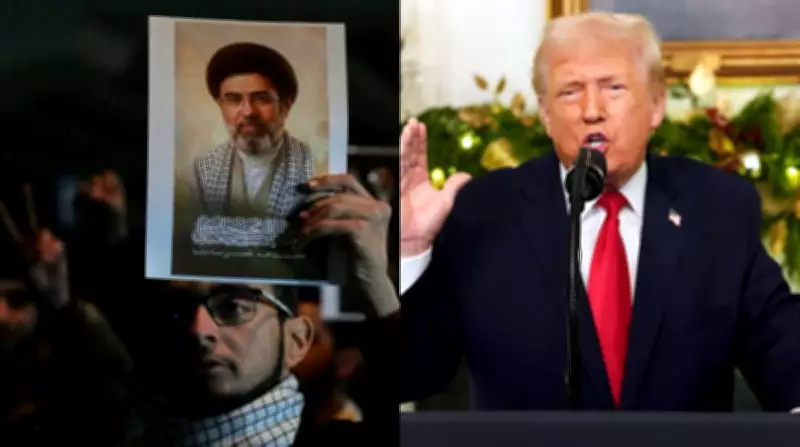
Iran Dismisses Trump's Peace Proposal as 'One-Sided and Unfair'
In a significant diplomatic development, Iran has once again rejected a peace deal proposed by former United States President Donald Trump, characterizing the offer as "one-sided and unfair." This rejection underscores the ongoing tensions between the two nations, yet Iranian officials have simultaneously indicated a commitment to keeping the path for dialogue open, suggesting a nuanced approach to international relations.
Details of the Rejected Proposal
The peace deal, which was reportedly presented by Trump's administration, aimed to address longstanding conflicts in the Middle East, particularly focusing on Iran's nuclear program and regional influence. However, Iranian authorities have criticized the proposal for its perceived bias, arguing that it fails to consider Iran's security concerns and sovereign rights. "The terms were heavily tilted in favor of the United States and its allies, ignoring our legitimate interests," an unnamed Iranian diplomat stated, highlighting the core of the disagreement.
Iran's Stance on Continued Diplomacy
Despite the firm rejection, Iran has not completely shut the door on future negotiations. Officials have emphasized that while the current proposal is unacceptable, they remain open to diplomatic engagement under more equitable conditions. "We believe in dialogue as a means to resolve disputes, but any agreement must be balanced and respect mutual interests," said a spokesperson for the Iranian foreign ministry. This position reflects Iran's strategy of maintaining a diplomatic channel while asserting its national priorities.

Broader Implications for Middle East Relations
This rejection comes amid heightened geopolitical tensions in the Middle East, where Iran's role and relations with the US have been a focal point. The move could impact regional stability and influence ongoing efforts by other nations to mediate conflicts. Analysts note that Iran's willingness to keep dialogue open might signal a pragmatic approach, potentially paving the way for future talks if conditions change or new proposals emerge.
Historical Context and Future Outlook
Iran and the US have a history of strained relations, marked by disputes over nuclear agreements, sanctions, and regional policies. Trump's presidency saw increased pressure on Iran, including the withdrawal from the Joint Comprehensive Plan of Action (JCPOA) in 2018. The recent rejection of his peace deal adds another layer to this complex relationship. Looking ahead, the situation remains fluid, with Iran's dual stance of rejection and openness suggesting that diplomatic efforts could continue, albeit with significant hurdles to overcome.






